



Core Specifications & Functional Role of IEC 0.6/1kV XLPE/PVC Power Cables
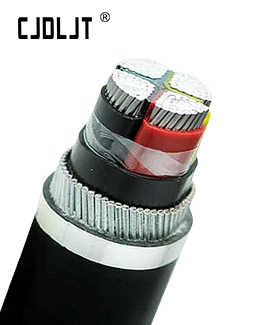
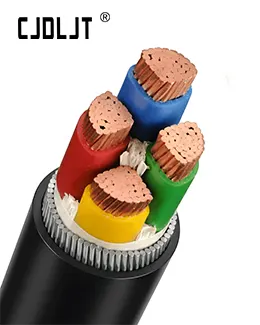
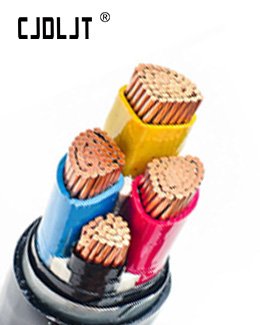
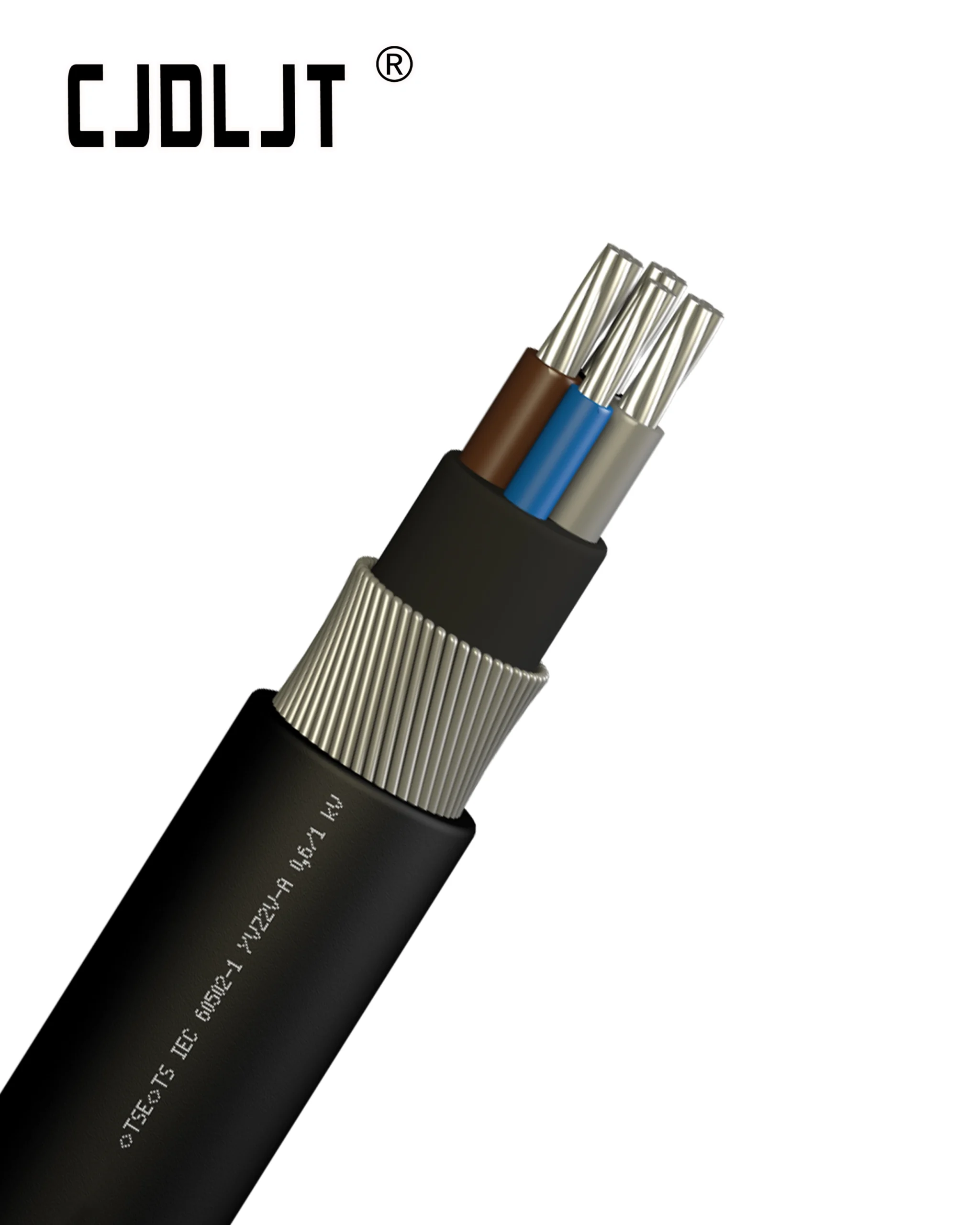
IEC 0.6/1kV XLPE/PVC power cables—specifically N2XY, NA2XY, and N2XBY—are industrial-grade low-voltage electrical distribution conductors manufactured in accordance with IEC 60502-1[1] and VDE 0276-603 standards. Engineered for fixed indoor, outdoor, and direct-burial installations, these cables utilize Cross-Linked Polyethylene (XLPE) insulation[2] to deliver continuous conductor operating temperatures of 90°C and short-circuit limits of 250°C. The Polyvinyl Chloride (PVC) outer sheath provides chemical, moisture, and mechanical protection. Unarmored variants (N2XY/NA2XY) suit flexible tray routes, while double steel tape armored variants (N2XBY) provide essential mechanical protection against high crushing loads during direct soil burial.
Technical Parameter Comparison Matrix
| Parameter | N2XY Cable | NA2XY Cable | N2XBY Cable |
| Conductor Material | Plain Annealed Copper (Cu) | Solid/Stranded Aluminum (Al) | Plain Annealed Copper (Cu) |
| Conductor Class | Class 1 (Solid) / Class 2 (Stranded) | Class 1 (Solid) / Class 2 (Stranded) | Class 1 (Solid) / Class 2 (Stranded) |
| Insulation Material | XLPE (Cross-Linked Polyethylene) | XLPE (Cross-Linked Polyethylene) | XLPE (Cross-Linked Polyethylene) |
| Armoring Type | Unarmored | Unarmored | Double Steel Tape Armor (STA) |
| Outer Sheath | Flame Retardant PVC (ST2) | Flame Retardant PVC (ST2) | Flame Retardant PVC (ST2) |
| Voltage Rating () | 0.6/1 kV (Maximum system: 1.2 kV) | 0.6/1 kV (Maximum system: 1.2 kV) | 0.6/1 kV (Maximum system: 1.2 kV) |
| Max Continuous Operating Temp | 90°C | 90°C | 90°C |
| Short-Circuit Temp Limit () | 250°C | 250°C | 250°C |
| Direct Burial Suitability | Restricted (Requires ducting) | Restricted (Requires ducting) | Direct Burial Certified |
| Applicable Standards | IEC 60502-1, VDE 0276-603 | IEC 60502-1, VDE 0276-603 | IEC 60502-1, DIN VDE 0276-603 |
Technical Breakdown by Cable Designation
N2XY: Copper Conductor XLPE/PVC Power Cable
- Conductor Construction: Plain Annealed Copper (Class 1 solid or Class 2 compact stranded per IEC 60228[3]). Provides higher conductivity and lower overall outer diameter compared to aluminum equivalents.
- Thermal Capacity: XLPE matrix allows a high current-carrying capacity, reducing necessary cross-sectional area per amp.
- Mechanical Constraints: Unarmored design limits use to cable trays, conduits, open air, or masonry channels where mechanical impact risk is non-existent.
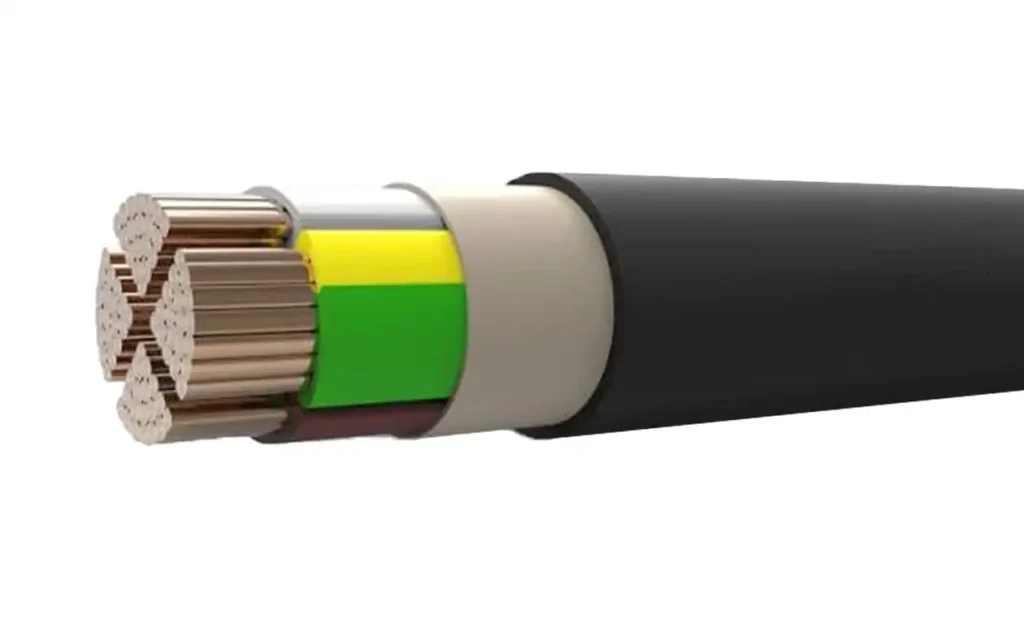
NA2XY: Aluminum Conductor XLPE/PVC Power Cable
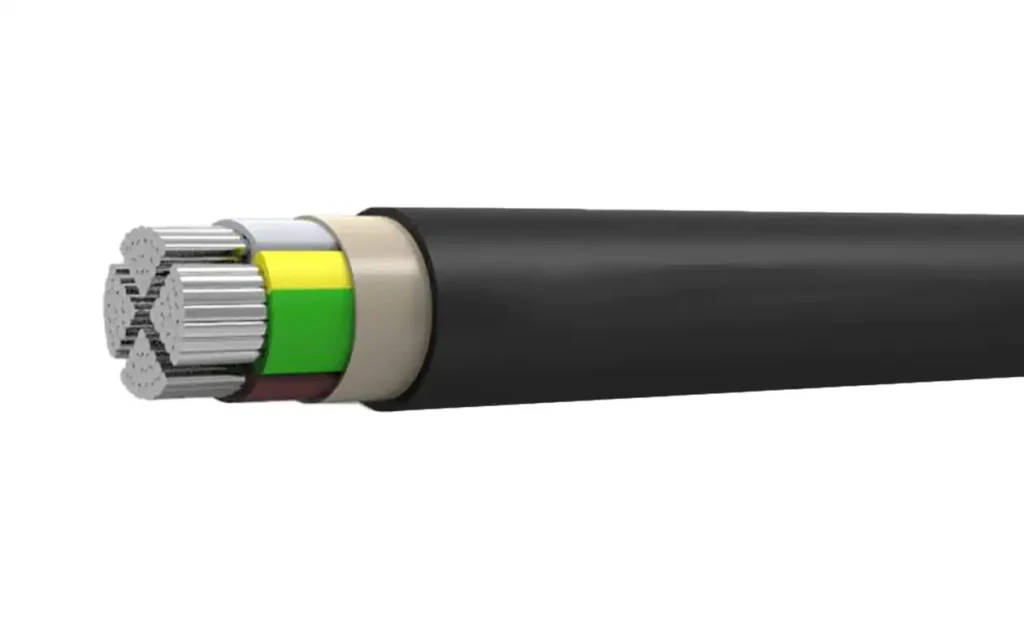
- Conductor Construction: Solid or stranded aluminum (Class 1 or Class 2 per IEC 60228[3]). Offers significant weight reduction and cost efficiency for long-distance mains distribution.
- Economic & Handling Factors: Reduces structural support loads and overall installation costs while maintaining identical 90°C thermal rating profiles as copper.
- Application Boundary: Best suited for high-ampacity overhead feeder routes, utility networks, and long tray runs requiring low material weight.
N2XBY: Armored Copper XLPE/STA/PVC Power Cable
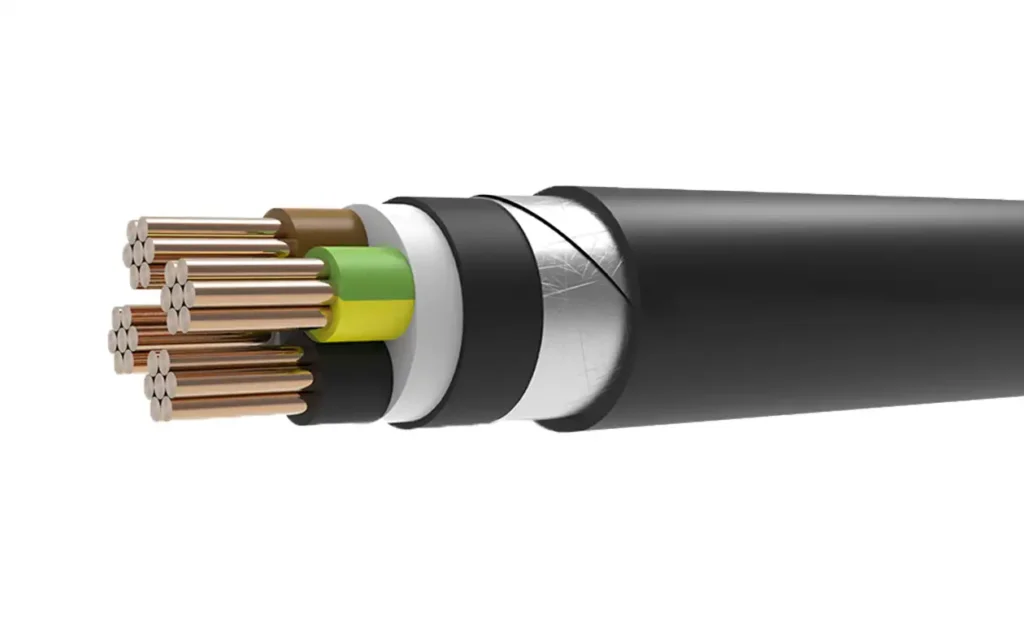
- Armor Construction: Features double galvanized steel tape (STA) wrapped over an inner bedding layer, delivering high crushing resistance.
- Direct Burial Safety: Specifically engineered to withstand mechanical stresses from backfill, stone impact, and heavy soil loads without compromising phase insulation integrity.
- Application Boundary: Designed for direct underground trench installations, sub-stations, industrial sites, and urban power networks where physical damage risks exist.
Engineering Selection Framework
- Evaluate Mechanical Risk Profile: Select N2XBY for direct soil burial, unpaved ground, or heavy industrial zones. Use N2XY or NA2XY when routes are shielded by cable trays, ladder racks, or concrete ducts.
- Determine Conductor Material Balance: Use N2XY for compact footprint requirements, tight bending radii, and smaller core sizes. Use NA2XY for cost-sensitive, long-run utility feeders where lighter weight simplifies cable pulling tension calculations.
- Verify Thermal & Current Capacity: Ensure continuous current requirements fall within the 90°C thermal ceiling, taking derating factors (ambient air/soil temperature, thermal resistivity of soil, and grouping factors) into account according to IEC 60364-5-52[4].
CJDL CABLE Engineering Insight
While N2XY copper cable remains the standard for compact indoor distribution, NA2XY offers a lighter, cost-efficient alternative for long utility feeders, and N2XBY is the choice for direct burial where mechanical protection against crushing loads is required. All three types are manufactured and routinely tested to IEC 60502-1 and VDE 0276-603 by CJDL CABLE, maintaining 90°C continuous and 250°C short-circuit temperature ratings. For project-specific selection guidance, consult CJDL CABLE engineering.
References
[1] Wikipedia. IEC 60502 [EB/OL]. 2026-09-04.
[2] Wikipedia. Cross-linked polyethylene [EB/OL]. 2026-09-04.
[3] Wikipedia. IEC 60228 [EB/OL]. 2026-09-04.
[4] Wikipedia. IEC 60364 [EB/OL]. 2026-09-04.