

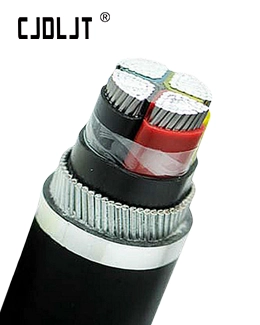
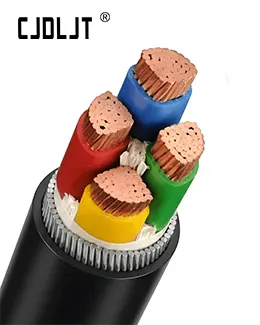
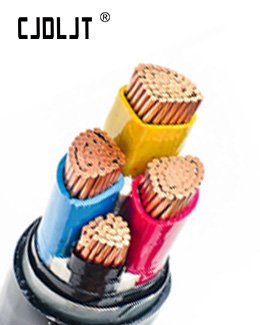
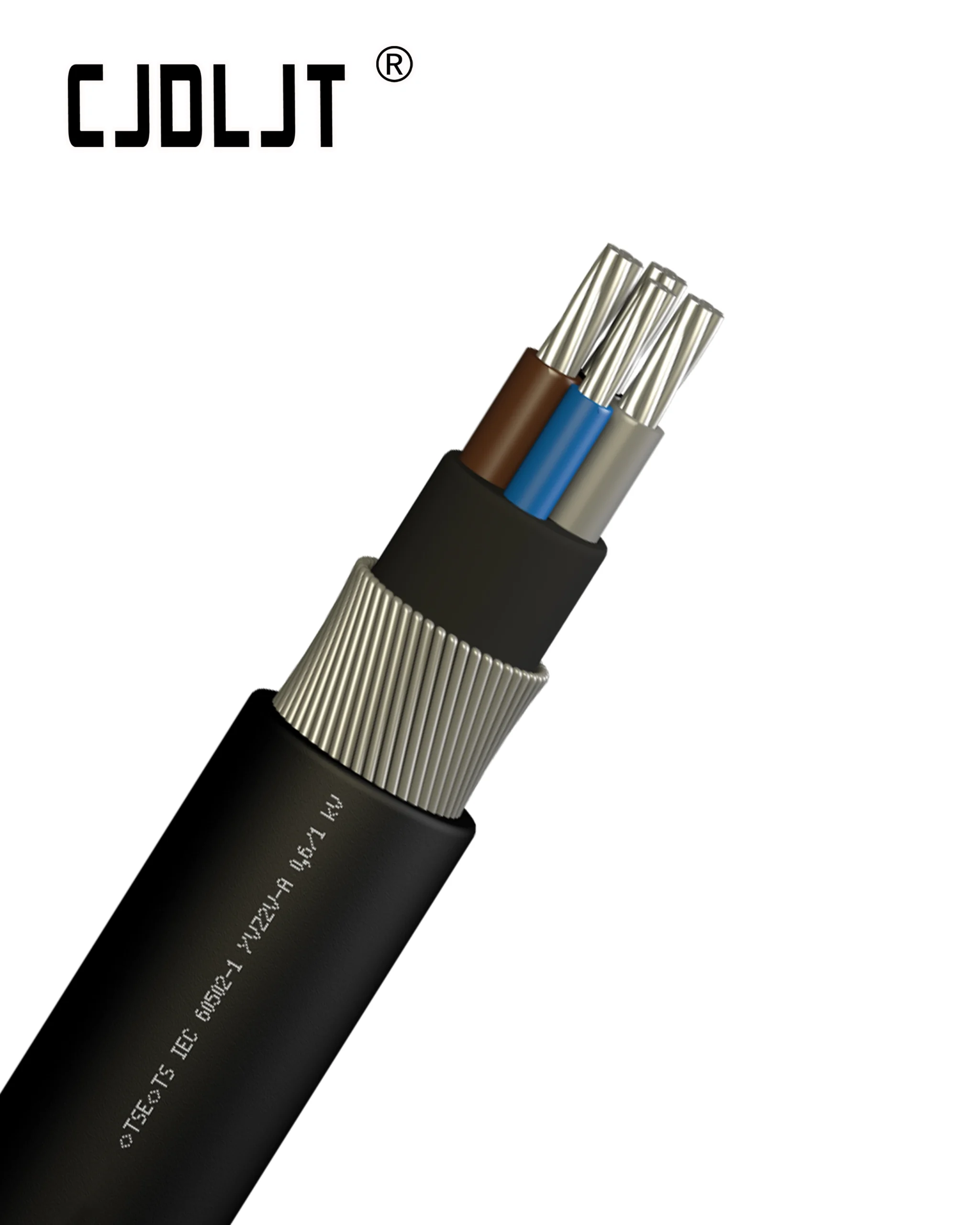

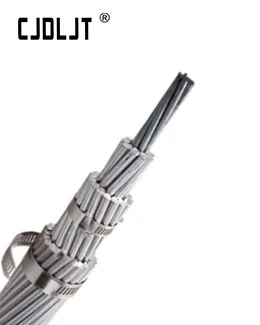
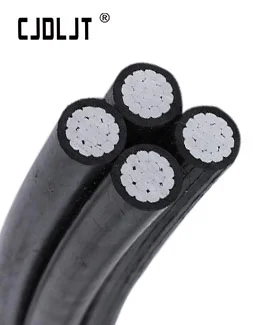
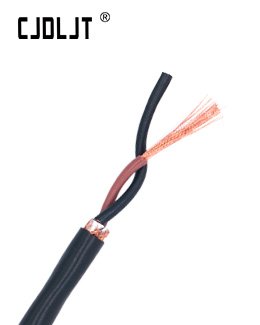

Outdoor cables in cold regions face combined threats of freezing, ice loading, thermal cycling, UV radiation and installation mechanical stress. Off‑the‑shelf general‑purpose cables turn brittle at subzero temperatures, leading to jacket cracking, moisture ingress and unplanned outages. This guide outlines essential performance criteria for reliable low‑temperature outdoor cable specification.
Why Standard Cables Fail
Specifiers frequently mix up minimum operating temperature and minimum installation temperature. The operating rating applies to static cables after installation. The installation rating defines the coldest temperature for safe bending and pulling. Typically, the installation limit is 10–20 °C warmer, and overlooking this gap accounts for most cold‑site cable damage.
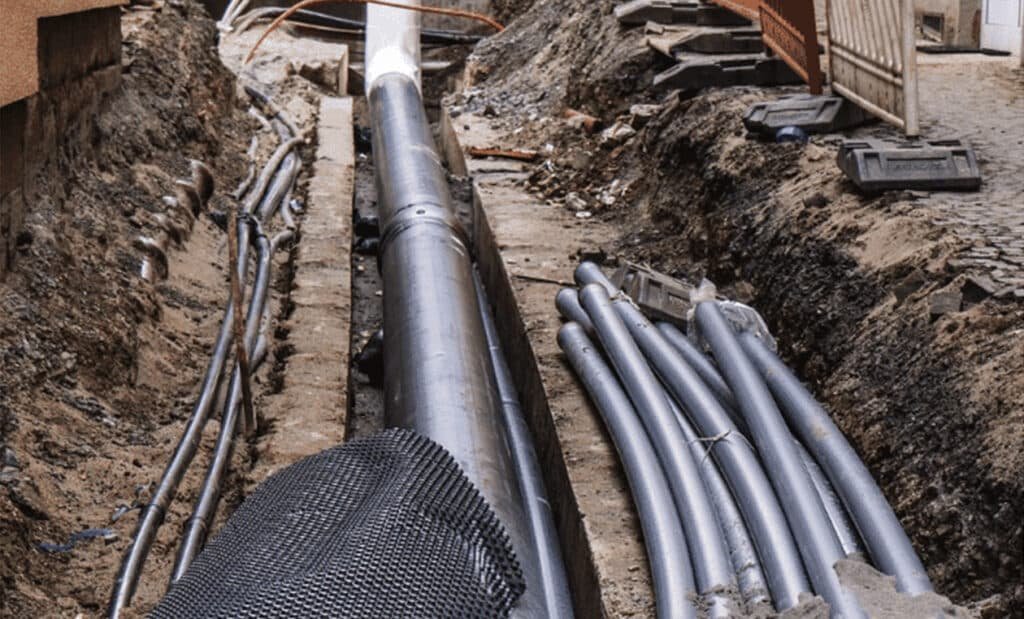
Key Performance Criteria
1. Low‑Temperature Mechanical Performance
Cold‑bend and cold‑impact tests (IEC 60811, UL 1581) validate low‑temperature toughness.
- Cold‑bend: No cracking at the site’s design minimum; −40 °C is baseline for severe cold exposure.
- Cold‑impact: Resist fracture under ice impact and handling shocks.
- Fine‑strand tinned copper conductors better absorb stress from vibration and thermal contraction.
Do not rely solely on “cold resistant” marketing claims. Always request official test reports.
2. Outdoor Weathering Resistance
Cold tolerance alone is insufficient. Cables must withstand UV, freeze‑thaw cycles and moisture penetration.
- Carbon‑black UV‑stabilised jackets shall pass ASTM G154 ageing tests.
- IP65 minimum for general outdoor use; IP67/IP68 for locations with standing water and persistent ice. Water‑blocking structures restrict longitudinal water spread if jacket integrity is compromised.
- Thermal cycling testing ensures no delamination of insulation, shielding and composite layers during repeated temperature swings.
3. Jacket & Insulation Material Reference
表格
| Material | Approx. minimum installation temperature | Outdoor suitability notes |
|---|---|---|
| Standard PVC | 0 °C ~ −5 °C | Poor for sustained sub‑zero outdoor; high brittleness risk below −10 °C |
| Modified PE / XLPE | −20 °C ~ −30 °C | Good UV resistance; moderate low‑temperature flexibility |
| TPU / PUR | −40 °C | Excellent cold flexibility, abrasion‑resistant; suitable for dynamic outdoor runs |
| Elastomer / EPR Rubber | −40 °C and below | Superior cold‑climate performance for static and limited‑flex outdoor installations |
4. Shield and Fitting Compatibility
Shield foils and braids must resist cracking and delamination under cold cycling. Connectors, cable glands and strain reliefs require matching low‑temperature ratings. Even top‑grade cables will fail early when paired with incompatible hardware.
Quick Installation Guidelines
- Pre‑condition cable reels indoors before pulling at freezing temperatures.
- Adhere to the rated minimum installation temperature and increase bending radius.
- Reserve service slack for thermal contraction on long runs to avoid termination tension.
- Inspect jackets for micro‑cracks immediately after routing.
Selection Checklist
✅ Separate operating and installation temperature ratings ✅ Valid cold‑bend and cold‑impact test data ✅ UV weathering test results ✅ Suitable IP rating and water‑blocking construction ✅ Matching cold‑rated connectors and accessories ✅ Proper conductor stranding for vibration
Subscribe for more cable specification and harsh‑environment deployment articles.