

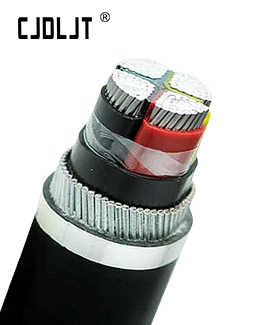
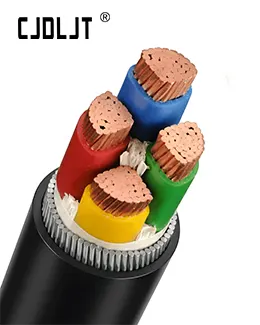
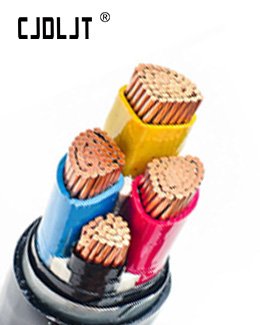
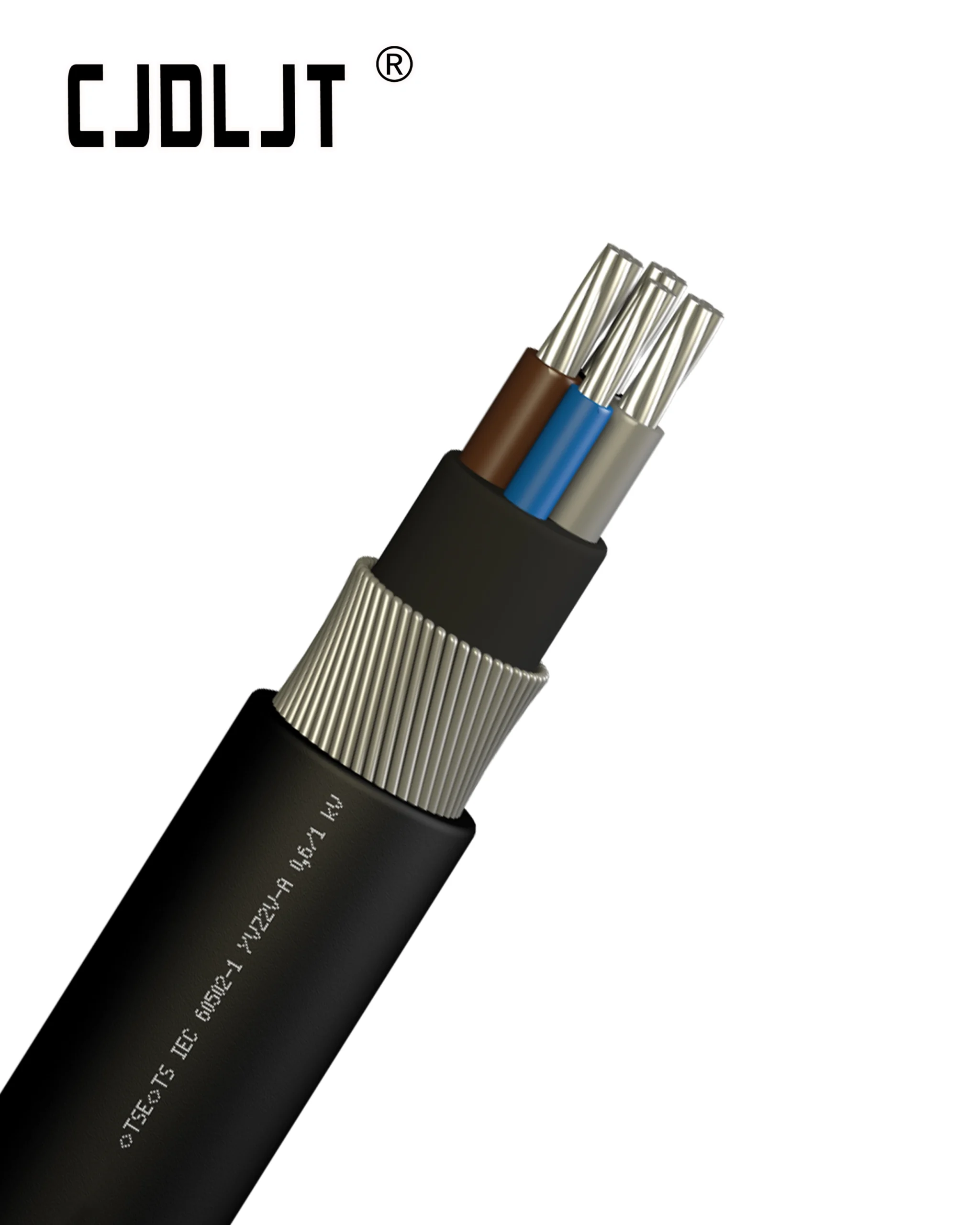


Technical Selection Criteria: Copper N2XRY vs. Aluminium NA2XRY Armoured Cables
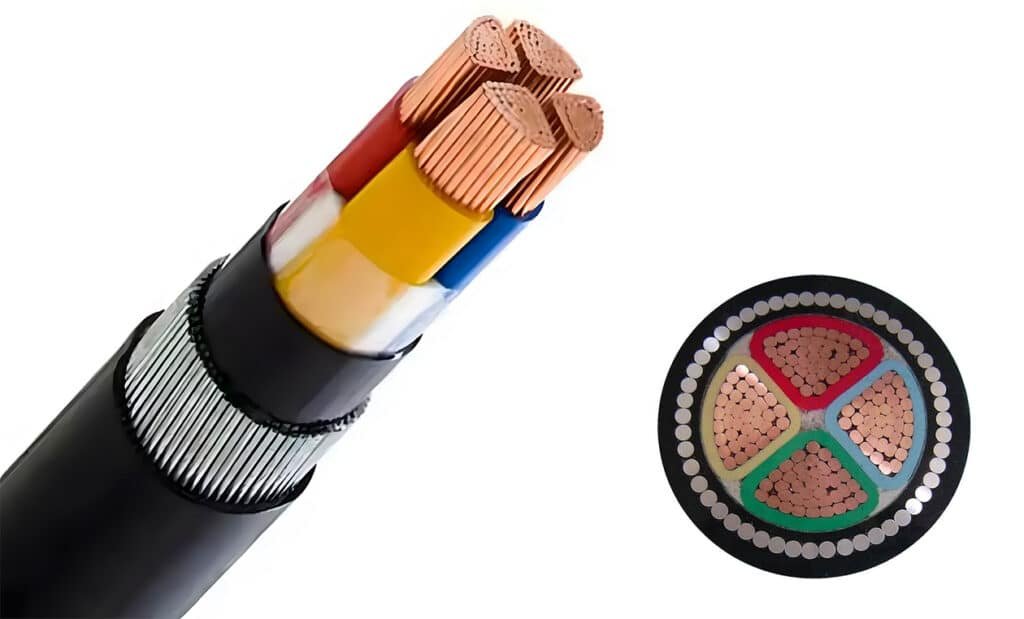
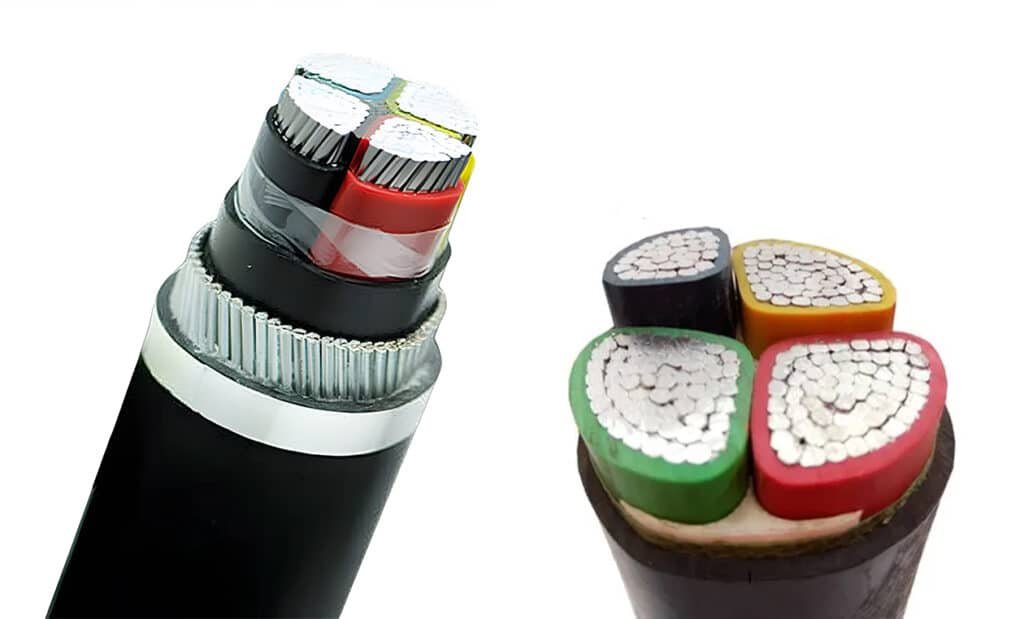
Choosing between Copper N2XRY (CU/XLPE/PVC/SWA/PVC) and Aluminium NA2XRY (AL/XLPE/PVC/SWA/PVC) for bulk industrial procurement requires evaluating electrical conductivity, mechanical load limits, total installed cost, and thermal performance under IEC 60502-1 standards. N2XRY features plain annealed Class 2 copper conductors offering high electrical conductivity (58 MS/m), higher current-carrying capacity per cross-sectional area, and superior mechanical tensile strength, making it ideal for compact cable trays and high-vibration equipment feeds. NA2XRY utilizes Class 2 stranded aluminum conductors (35 MS/m), offering up to 40% to 50% material cost savings and 50% weight reduction per meter, making it the preferred choice for long-distance, high-ampacity distribution lines where space constraints and weight limits on cable containment are minimal.
Technical Comparison Matrix: N2XRY vs. NA2XRY
| Technical Parameter | Copper N2XRY | Aluminium NA2XRY | Engineering Impact / Selection Guidance |
| Rated Voltage (U₀/U) | 0.6/1 kV | 0.6/1 kV | Fully interchangeable rated operating voltage levels under IEC 60502-1 |
| Electrical Conductivity | 100% IACS (58 MS/m) | 61% IACS (35 MS/m) | NA2XRY requires approximately 1 to 2 standard cross-sectional sizes larger than N2XRY for equivalent ampacity |
| Conductor Density | ≈ 8.89 g/cm³ | ≈ 2.70 g/cm³ | NA2XRY reduces cable weight by up to 50%, lowering civil support and tray loading structural requirements |
| Max. Conductor Operating Temp. | 90°C (Continuous) / 250°C (Short-circuit) | 90°C (Continuous) / 250°C (Short-circuit) | Equal thermal endurance due to identical XLPE insulation specifications |
| Tensile Strength | High (≈ 200–250 N/mm²) | Moderate (≈ 70–90 N/mm²) | N2XRY withstands higher pulling tensions during multi-bend or vertical riser pulls |
| Mechanical Armouring | Steel Wire Armour (SWA) | Steel Wire Armour (SWA) | Galvanized steel wire armour provides identical mechanical impact protection and earth fault return pathways |
| Galvanic Corrosion Risk | Low | High (at bi-metallic joints) | NA2XRY requires certified bi-metallic (Cu/Al) lugs and oxide-inhibiting paste at termination terminals |
Detailed Conductor Performance and Operational Trade-Offs
1. Electrical Efficiency and Thermal Creep Characteristics
- Thermal Expansion: Aluminum exhibits a higher coefficient of thermal expansion (23 × 10⁻⁶/K) compared to copper (17 × 10⁻⁶/K). Under cyclical industrial motor loads, NA2XRY experience greater expansion and contraction, making proper torque control and spring-washer terminations critical to prevent joint loosening.
- Oxidation Limits: Aluminum forms an insulating oxide film (Al₂O₃) instantly upon exposure to air. Termination protocols for NA2XRY must specify wire-brushing under oxide-inhibiting compound before crimping.
2. Mechanical Integrity and Routing Constraints
- Structural Weight Advantage: For overhead cable ladders or high-bay industrial distribution, NA2XRY significantly reduces dead-load stresses on structural steelwork.
- Bend Flexibility in Tight Spaces: N2XRY offers a smaller overall cable diameter (D) for equivalent ampacity, making it the superior technical choice for tight equipment enclosures, Motor Control Centers (MCCs), and congested cable trenches.