



ABC Cable Safety vs. Bare AAC & ACSR Conductors
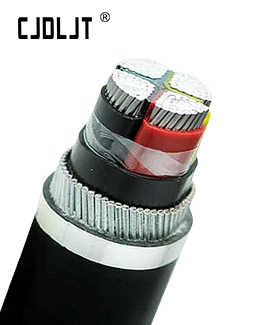
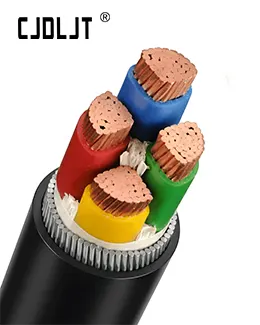
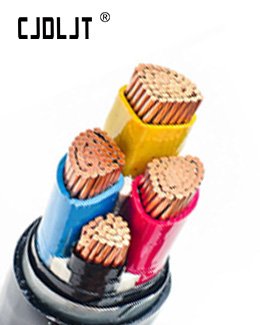
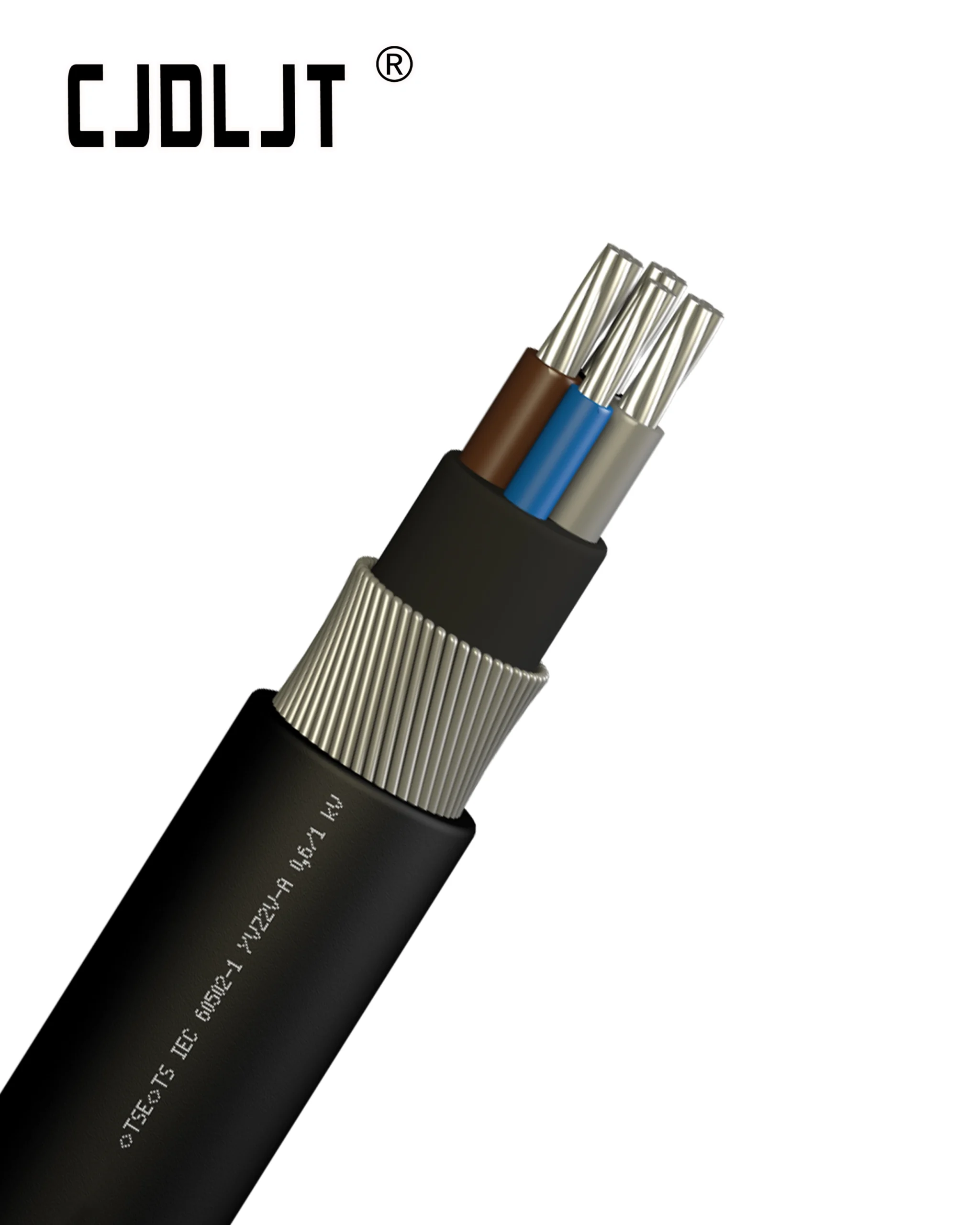
Yes, ABC (Aerial Bundled Cable) is significantly safer than bare AAC (All Aluminium Conductor) and ACSR (Aluminium Conductor Steel Reinforced) overhead lines. ABC features phase conductors individually insulated with weather-resistant XLPE (Cross-Linked Polyethylene) or HDPE (High-Density Polyethylene), bundled tightly around a neutral messenger. This insulated structure eliminates phase-to-phase flashovers caused by wind, tree contact, or wildlife. By providing physical insulation rated for low-voltage (0.6/1 kV) or medium-voltage (11 kV to 33 kV) distribution, ABC reduces electrocution risks, prevents bushfires from clashing conductors, and minimizes non-technical power losses (electricity theft) compared to bare overhead conductors.
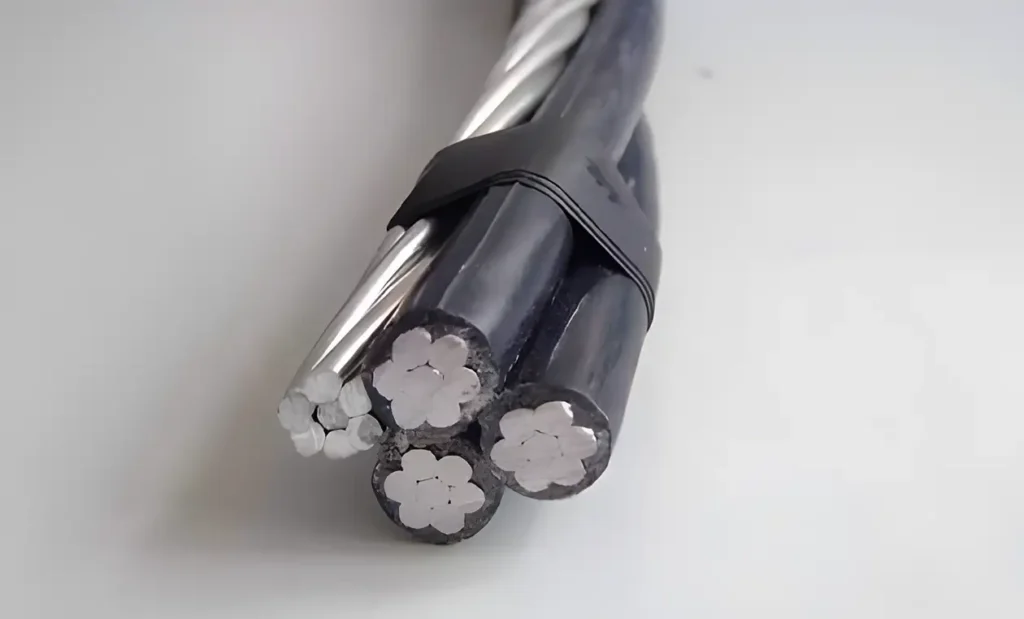
Technical Parameter Comparison Matrix
The table below highlights the performance, safety, and physical attributes of Aerial Bundled Cables versus traditional bare overhead conductors:
| Technical Parameter | Aerial Bundled Cable (ABC) | Bare AAC (All Aluminium) | Bare ACSR (Steel Reinforced) |
| Primary Insulation | XLPE or HDPE (Weather & UV Resistant) | None (Bare Conductor) | None (Bare Conductor) |
| Voltage Rating | Low Voltage (0.6/1 kV), Medium Voltage (up to 33 kV) | Low to High Voltage (up to 500+ kV) | Medium to Extra High Voltage (up to 765 kV) |
| Max Operating Temp | 90°C (XLPE) | 75°C | 75°C (Standard) / 90°C (High-Temp) |
| Short-Circuit Temp Limit | 250°C | 200°C | 200°C |
| Risk of Phase-to-Phase Faults | Near Zero (Bundled configuration) | High (Wind clash/tree contact) | High (Wind clash/tree contact) |
| Clearance Requirements | Low (Can run near trees/buildings) | High (Requires wide ROW clearance) | High (Requires wide ROW clearance) |
| Applicable Standards | IEC 60502-1, BS 7870-5, NFC 33-209 | IEC 61089, BS 215-1, ASTM B231 | IEC 61089, BS 215-2, ASTM B232 |
| Non-Technical Loss Risk | Low (Hard to tap illegally) | High (Direct bare wire contact) | High (Direct bare wire contact) |
Key Safety Advantages of ABC Overhead Distribution
1. Protection Against Transient Faults & Bushfires
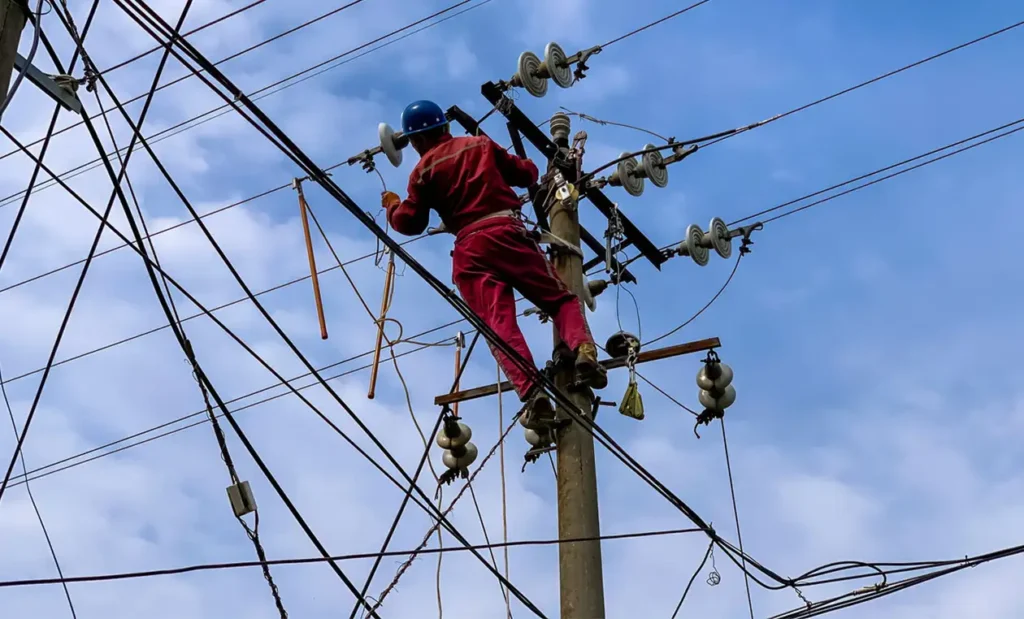
Bare AAC and ACSR conductors rely strictly on air clearance for phase isolation. High winds, heavy snow, or falling tree branches frequently cause line-to-line contact, generating high-temperature electric arcs. These arcs frequently trip circuit breakers and can ignite dry vegetation. ABC’s high-density XLPE insulation prevents arcing upon contact, drastically reducing bushfire hazards in forested or arid regions.
2. Elimination of Electrocution Risks in Dense Areas
In narrow urban streets or residential zones, bare conductors pose extreme safety hazards during building maintenance or emergency scenarios. ABC can be routed directly along building facades or through dense tree canopies with minimal risk of accidental direct contact electrocution.
3. Prevention of Unauthorized Tapping (Electricity Theft)
Direct tapping on bare AAC/ACSR lines is a primary cause of non-technical losses and unmonitored system overloads. ABC’s tough outer insulation layer renders casual hooking or illegal direct tapping impossible without specialized IPC hardware, protecting grid infrastructure and transformer stability.