

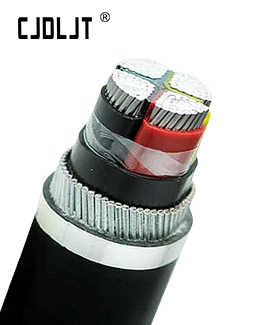
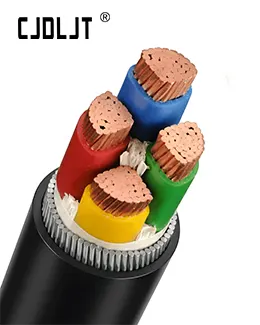
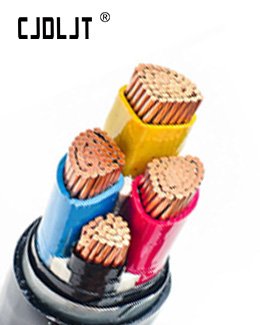
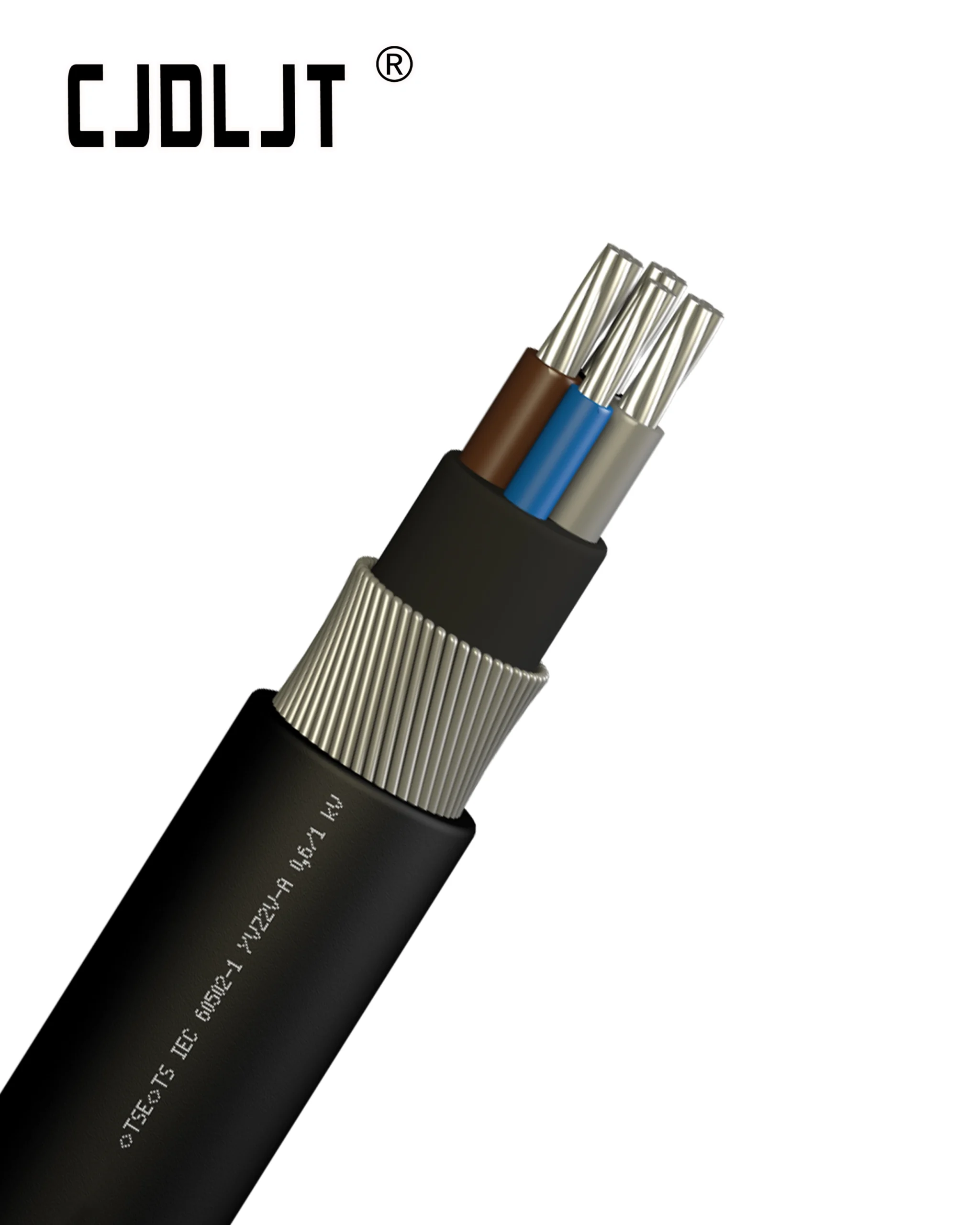

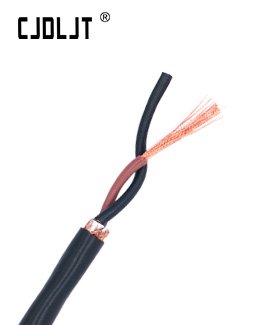

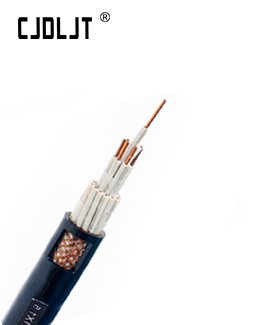
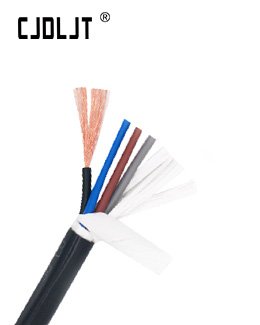
The selection criteria differences between outdoor direct-buried and conduit cables center on mechanical protection and environmental isolation. Direct-buried cables require inherent mechanical robustness, typically utilizing Steel Wire Armor (SWA) or Steel Tape Armor (STA) to survive crushing forces, rock migration, and rodent attacks without external enclosures. Conversely, conduit cables rely on external rigid metal or non-metallic raceways (e.g., PVC) for structural defense, prioritizing tensile strength and outer sheath flexibility for complex pulling operations. While both configurations encounter water submersion, direct-buried variants favor thick, continuous polyethylene (PE) jackets over standard PVC to counter long-term soil chemistry and moisture ingress.
Technical Parameter Matrix: Direct-Buried vs. Conduit Systems
The engineering choices for subterranean layout designs are dictated by distinct limits regarding material composition, environmental exposures, and compliance rules.
| Technical Parameter | Direct-Buried Cable | Conduit Cable System | Standard Compliance Impact |
| Mechanical Armoring | Integral Required (SWA / STA per BS 5467) | Unarmored or light interlocked armor | Dictates native resistance to crushing forces and impact. |
| Outer Sheath Material | High-Density Polyethylene (HDPE) or Heavy-Duty PVC | Standard PVC, LSZH, or Nylon-jacketed (THWN) | Impacts moisture permeation rates and chemical resistance to soil. |
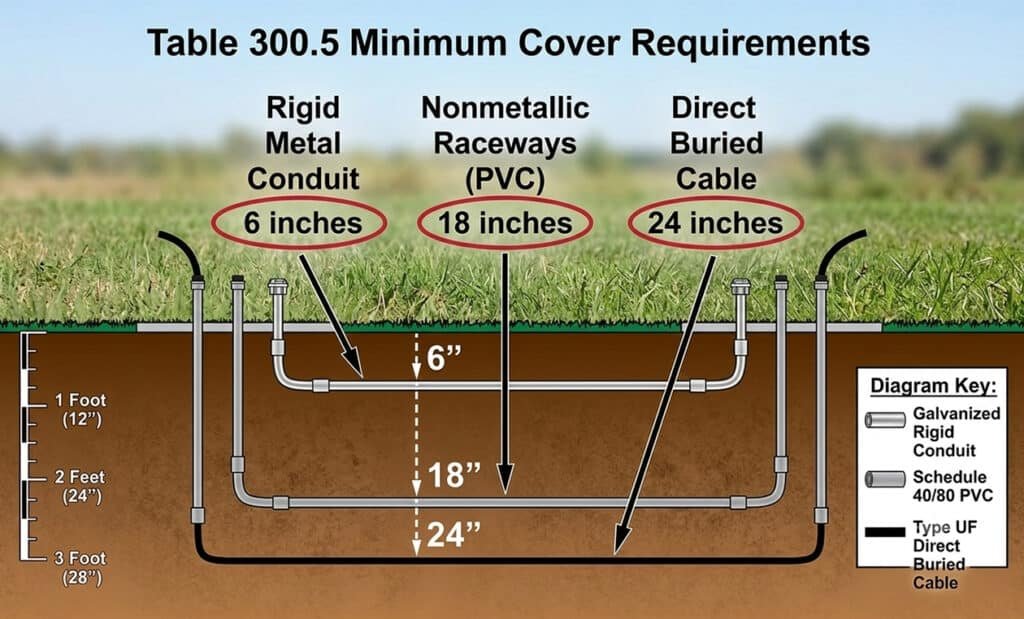
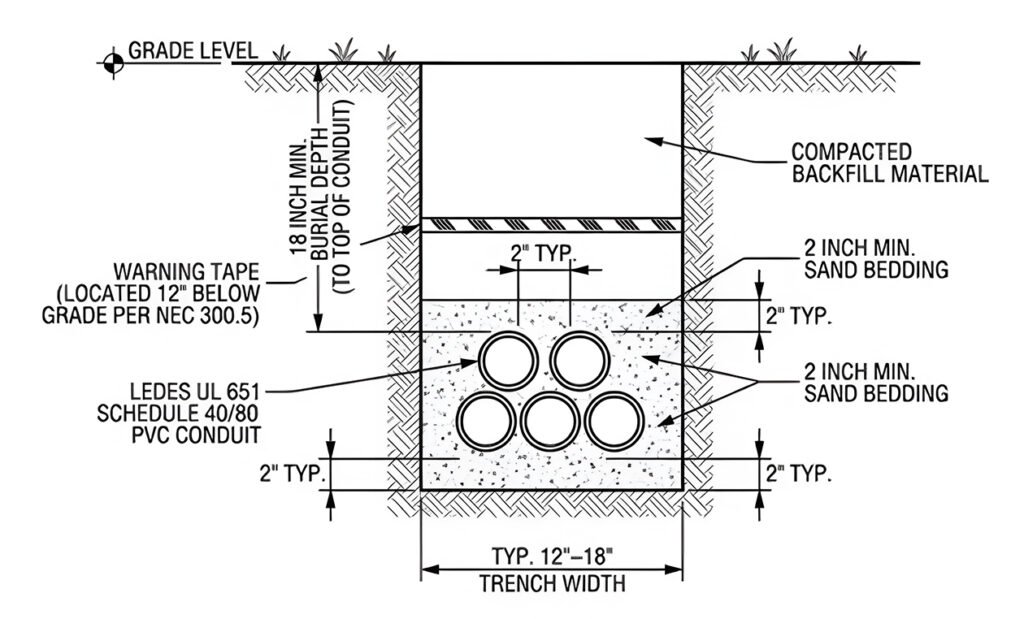
| Standard Minimum Depth | Typically 24 inches (600 mm) under non-vehicular areas | 6 to 18 inches depending on conduit type (Rigid Metal vs. PVC) | Governed strictly by national codes (e.g., NEC Table 300.5 / IEC 60502). |
| Tensile Strain Limit | Low to moderate operational pull | High allowable pulling tension during install | Affects maximum run length between junction boxes without splicing. |
| Thermal Dissipation ($T_g$) | High (Direct soil contact acts as natural heat sink) | Restricted (Air gap inside conduit creates thermal insulation) | Alters the continuous current-carrying capacity (Ampacity). |
| Future Scalability | Low (Requires complete re-trenching/excavation) | High (Old conductors can be pulled out; new lines pulled in) | Influences long-term lifecycle cost and system expansion. |
Atomic Environmental and Installation Sub-Systems
Mechanical Stress Mitigation
Direct-buried cables are exposed to static soil weight, dynamic vehicular traffic loads, and ground shifting caused by frost heaving. Because they lack an external pipe shell, they must rely on their own structural components. Galvanized steel wire armor provides both axial tensile strength and high crush resilience. Cables installed in rigid conduits bypass these local geological shifts because the structural pipe absorbs the primary mechanical stress, transferring it away from the sensitive inner core insulation.
Moisture and Chemical Degradation Resistance
Subterranean environments are permanently damp or cyclically flooded. Water finding its way to the conductor leads to insulation treeing and premature dielectric breakdown.
- Direct-Buried: Relies on chemical-resistant outer jackets such as HDPE to withstand fertilizers, soil acids, and alkalis.
- Conduit Systems: Although the conduit provides a dry pathway initially, condensation inevitably collects at low points. Conductor insulation used inside conduits must be rated for wet locations (e.g., THWN-2 or XLPE matching IEC 60502-1 specifications) to prevent ground faults over time.