

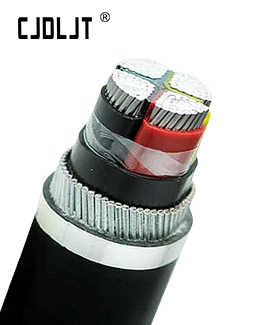
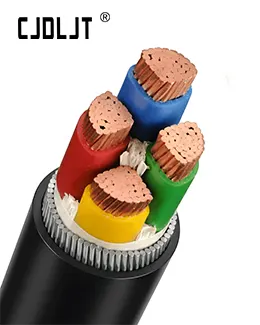
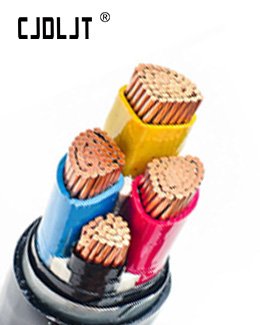
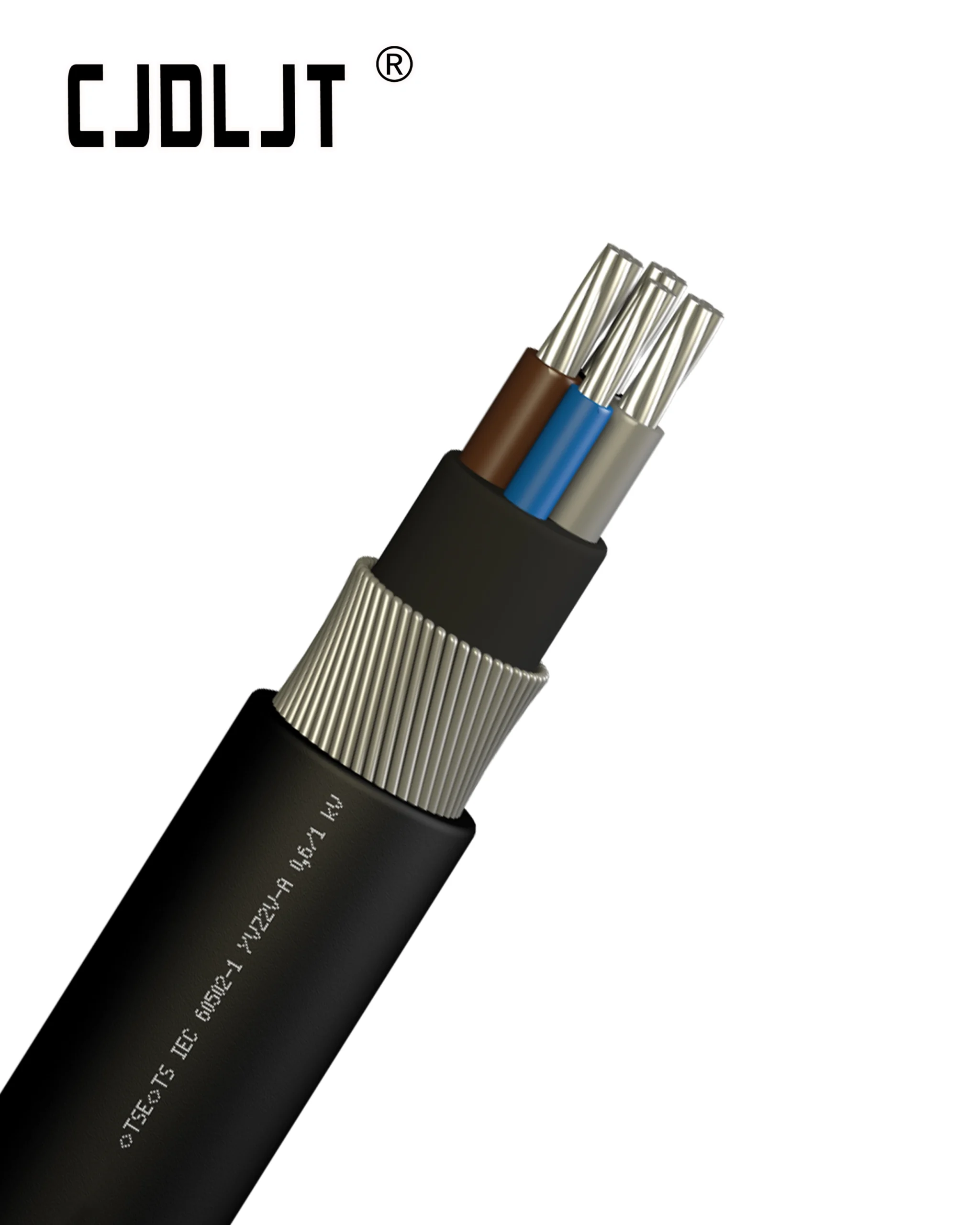


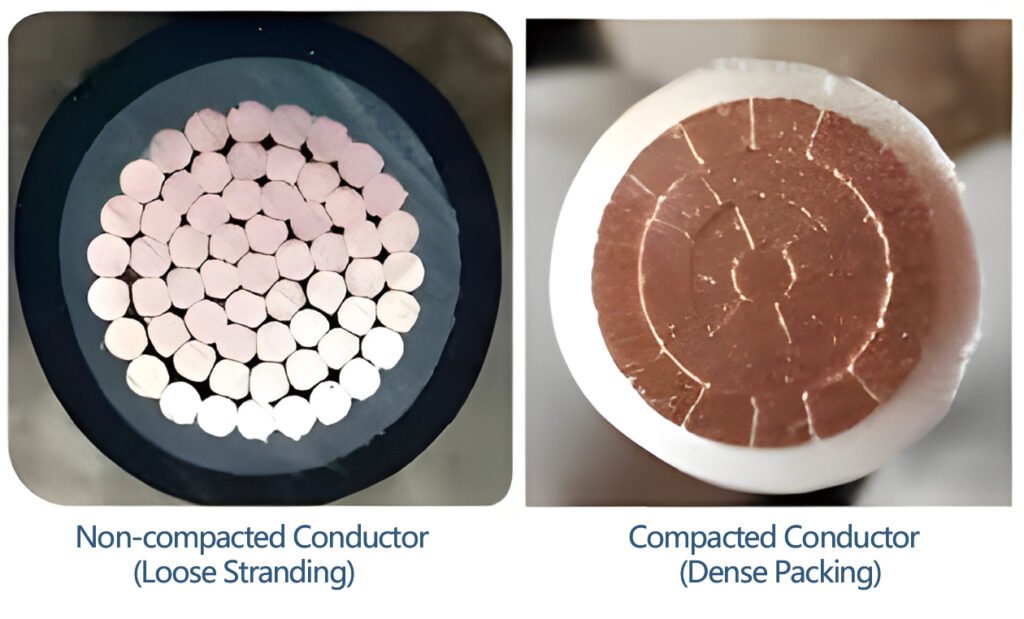
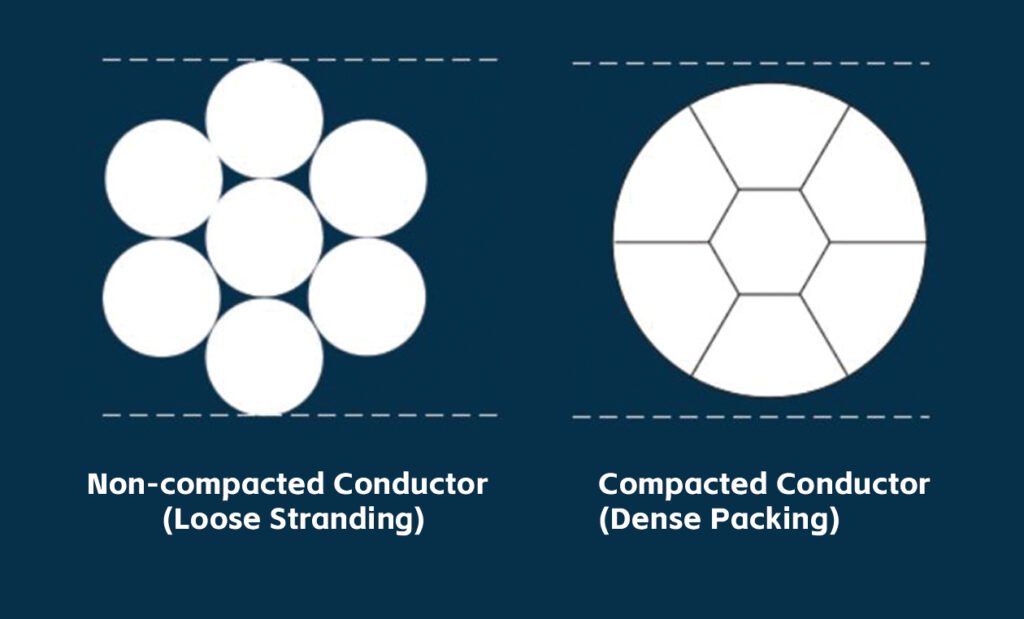
A compact conductor is a stranded conductor whose individual strands are pressed/packed to form a denser, more uniform cross-section.
This reduces inter-strand voids and increases packing density, enabling a smaller overall diameter for the same nominal cross-sectional area and often improved mechanical performance in tight installation spaces.
A non-compact (conventional stranded) conductor has looser strand packing, more air gaps, and typically a larger outer diameter for the same cross-section.
Differences arise from manufacturing, resulting in distinct electrical, thermal, and mechanical behaviors, especially under bending and vibration.
Definition, scope, and terminology
Compact conductor (CCC): A stranded conductor formed by compacting strands to reduce inter-strand voids and achieve a denser cross-section.
Non-compact conductor: A conventional stranded conductor with looser strand packing.
Subtle distinctions: Both types are copper (or aluminum) conductors; the difference lies in strand packing, resulting diameter, and packing density.
Key performance differentiators
Mechanical: Higher packing density generally yields better resistance to deformation under flexing and vibration; can improve fatigue life in tight bend situations.
Electrical: Similar DC resistance for the same nominal cross-section; AC performance may improve due to more uniform current distribution among strands.
Thermal: Denser packing can improve heat transfer paths from the conductor to insulation, aiding thermal management in constrained spaces.
Installation: Smaller diameter simplifies conduit packing, gland access, and harness routing; ensure compatibility with connectors and terminations.
Materials, manufacturing, and compatibility
Materials: CCC are typically copper conductors; packing is achieved via specialized draw/compact processes.
Insulation/armor: Must be compatible with the reduced outer diameter and any special termination requirements.
Standards impact: Verify with the supplier’s data sheets and applicable standards (IEC 60228 for conductors; end-use standards for specific cables).
Design considerations and criteria
When to choose CCC:
Space-constrained installations where diameter matters.
Applications requiring high current density within a tight conduit.
Projects prioritizing reduced weight or improved mechanical robustness in flexing routes.
When conventional stranded may suffice:
Cost sensitivity; simpler termination tooling.
Large diameters are acceptable or required by system design.
SOP / Checklist (Selecting and qualifying compact vs non-compact conductors)
1.Define project constraints
Confirm allowable cable diameter, current rating, and installation route (flexibility needs).
2.Evaluate conductor options
Compare CCC vs conventional stranded for the same cross-section per supplier data sheets.
3.Check termination compatibility
Ensure lugs, crimps, and gland connections accommodate CCC diameter and strand layout.
4.Assess thermal performance
Review thermal resistance and short-circuit heat rise data for the intended installation.
5.Review mechanical life
Verify flex-life or bend-radius performance under relevant cycling conditions.
6.Confirm manufacturing controls
Validate lot traceability, compaction process, and in-line quality checks (DFT, strand integrity).
7.Plan testing
Include DC resistance verification, insulation integrity, bend tests, and corrosion/aging tests as applicable.
8.Field acceptance
Perform verification of diameter, connector fit, and routing feasibility.
9.Documentation
Record material lot, compaction process, termination compatibility, and test results.
10.Warranty and lifecycle planning
Align with supplier warranties for CCC performance in the specific installation environment.