



Conductor Compression Factor in Electrical Cables
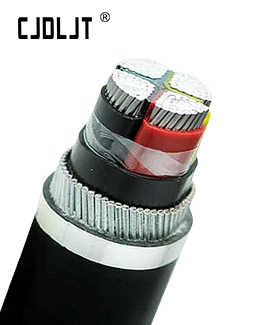
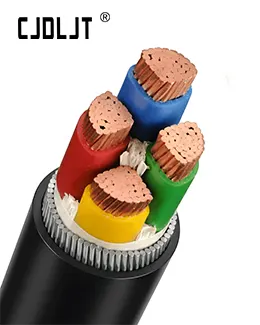
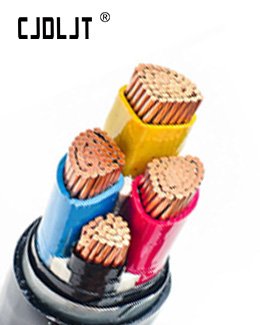
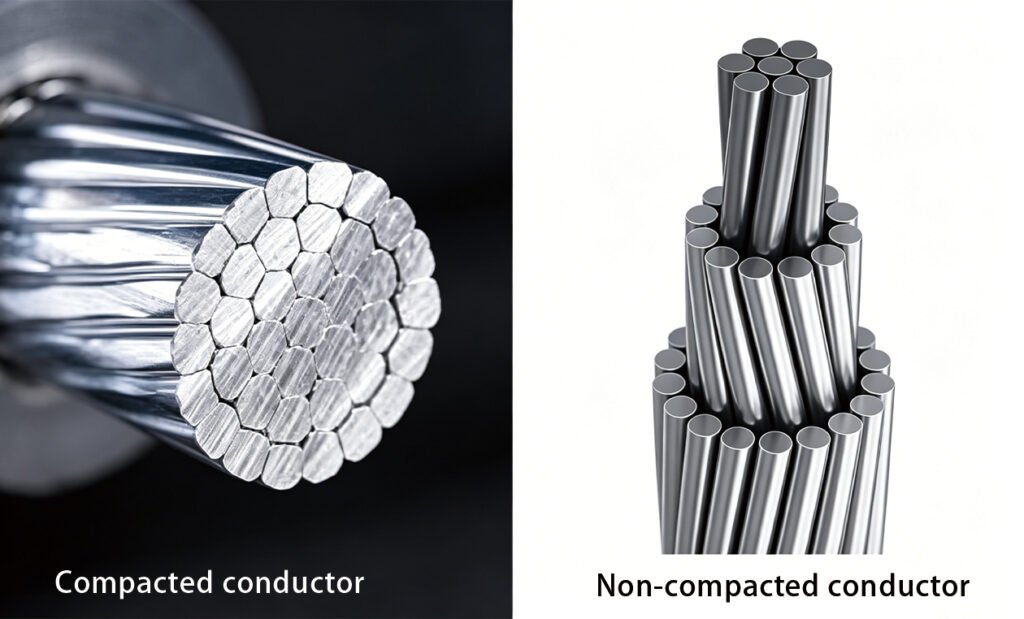
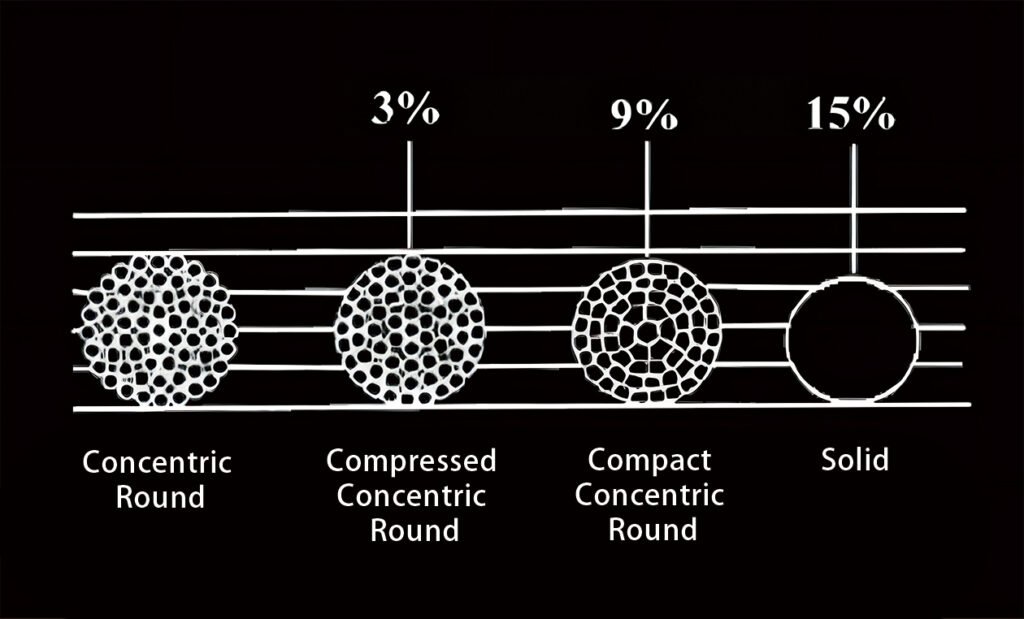
The conductor compression factor refers to the ratio between the actual cross-sectional area of the metal in a stranded conductor and the area of the circle that circumscribes it. During the manufacturing process, stranded wires (typically copper or aluminum) are passed through a series of compacting dies. This mechanical process deforms the individual circular strands into trapezoidal or irregular shapes that interlock, reducing the interstitial air gaps (voids) between them. A standard non-compacted conductor has a fill factor of approximately 0.75 to 0.80, whereas a highly compacted conductor can reach a factor of 0.90 to 0.96.
Impact on Cable Performance and Physical Characteristics
- Reduced Overall Diameter: By eliminating air gaps, the outer diameter (OD) of the conductor is reduced. This leads to a cascading reduction in the material required for XLPE insulation, bedding, and outer sheathing, making the cable lighter and easier to handle.
- Improved Thermal Conductivity: Air is a poor thermal conductor. Increasing the compression factor minimizes internal air pockets, allowing heat generated by $I^2R$ losses to dissipate more efficiently through the insulation to the ambient environment.
- Water Blocking: High compression limits the longitudinal migration of moisture within the conductor strands, which is critical for preventing “water treeing” in medium and high-voltage applications.
- Contact Resistance: Smoother conductor surfaces reduce localized electrical stress points at the interface with the semi-conductive screen, improving the longevity of the dielectric.
Mechanical Performance Implications
The compression process also alters the mechanical properties of the conductor, which is crucial for cable installation and long-term reliability:
- Flexibility vs. Rigidity: Non-compacted conductors are more flexible due to the presence of air gaps, making them ideal for installations requiring frequent bending (e.g., indoor wiring, portable cables). In contrast, highly compacted conductors are stiffer because the interlocked strands have less room to move, which is acceptable for fixed installations (e.g., underground cables) but may complicate on-site bending.
- Tensile Strength: Compaction increases the contact area between individual strands, enhancing the overall tensile strength of the conductor. This is important for overhead cables or cables that are pulled during installation, as it reduces the risk of strand breakage. Highly compacted conductors can have a tensile strength 5~8% higher than non-compacted ones.
- Fatigue Resistance: In applications where cables are subject to cyclic bending (e.g., wind-induced movement in overhead lines), the compression factor affects fatigue life. Semi-compacted conductors strike a balance between flexibility and structural integrity, offering better fatigue resistance than highly compacted conductors (which are more prone to cracking under repeated bending) and non-compacted conductors (which have looser strand connections).
Material-Specific Considerations
The impact of the compression factor varies slightly between copper and aluminum conductors, the two most common cable conductor materials:
- Copper Conductors: Copper has higher ductility, allowing it to withstand more severe compaction (up to 0.96) without breaking. The high thermal conductivity of copper is further enhanced by compaction, making it ideal for HV/EHV cables where heat dissipation is critical. However, copper is denser, so the weight reduction from compaction is more significant for large-section copper cables.
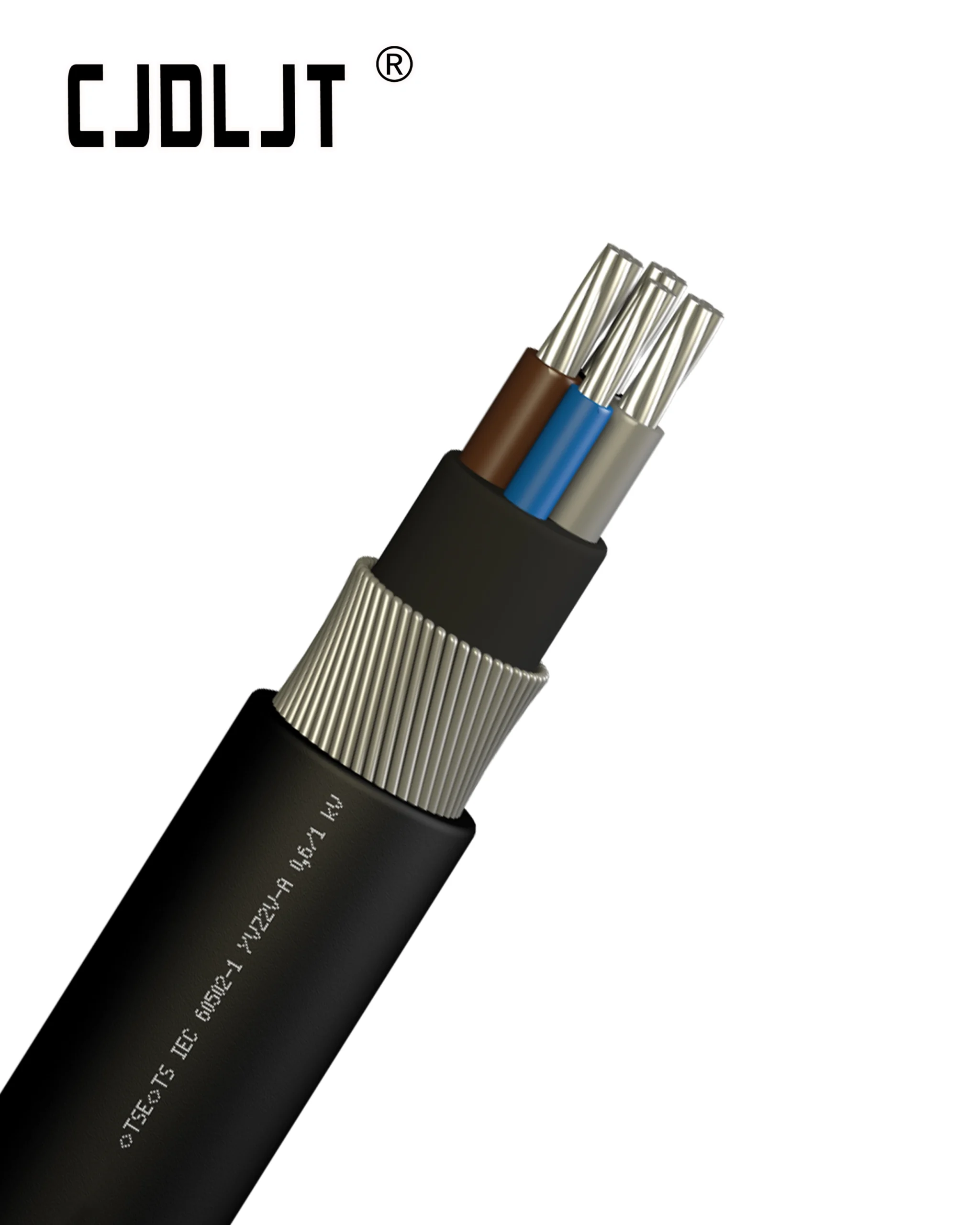
- Aluminum Conductors: Aluminum is less ductile than copper, so the maximum compression factor is typically limited to 0.92 to avoid strand damage. Aluminum has lower thermal conductivity than copper, so compaction plays a more critical role in improving heat dissipation for aluminum conductors. Additionally, aluminum’s lower density means that even a small reduction in diameter (from compaction) results in significant weight savings, which is advantageous for overhead cables (reducing tower load).