

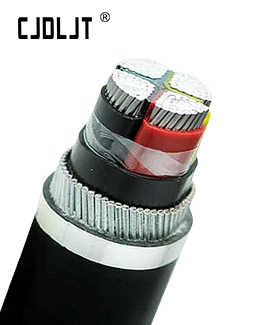
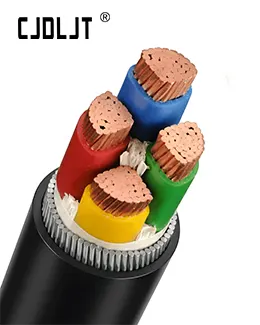
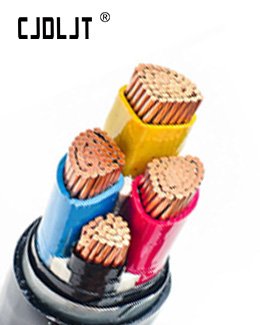
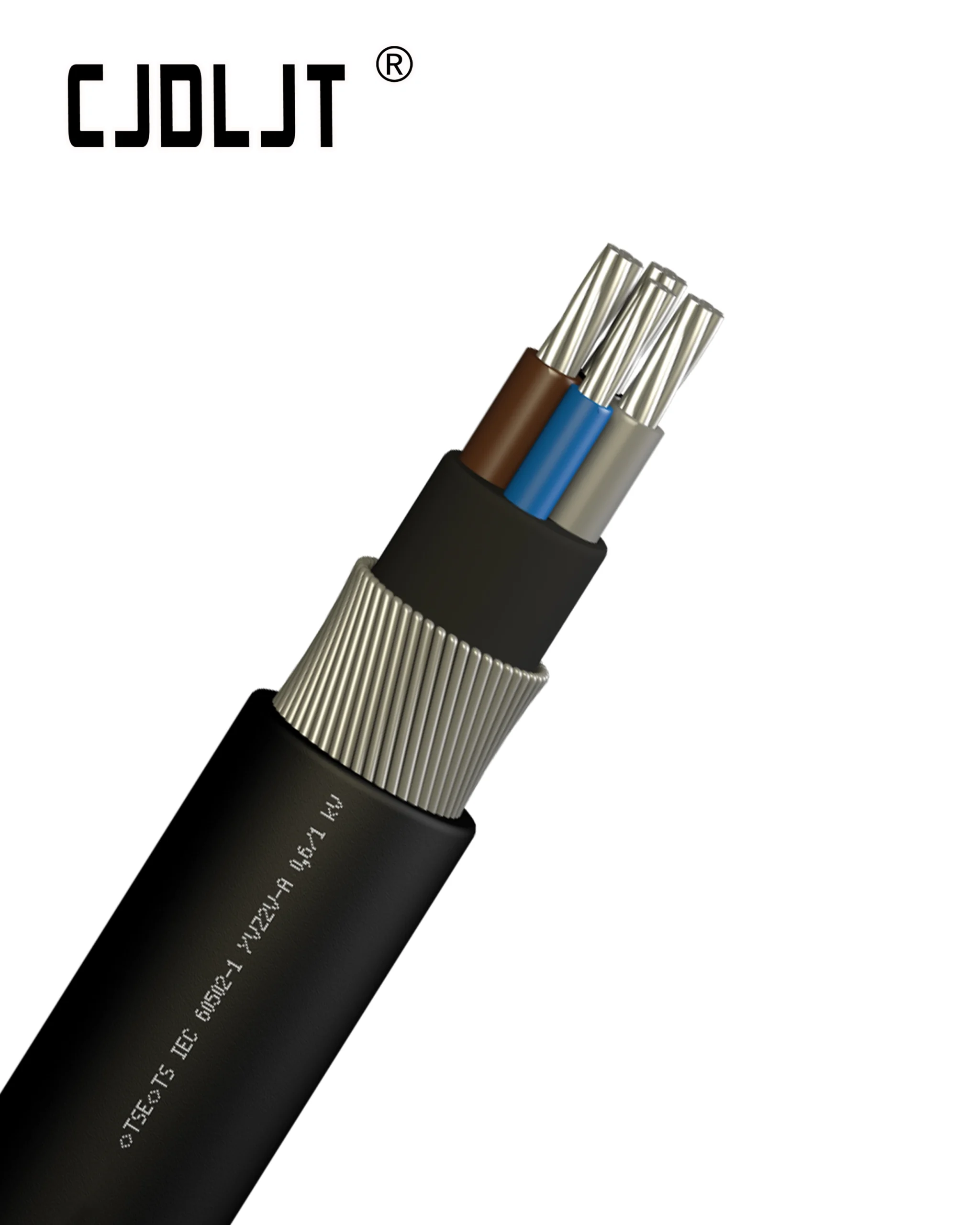

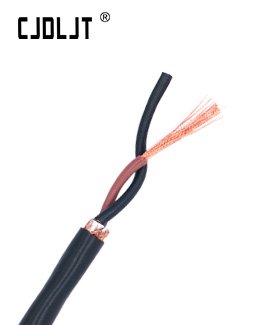

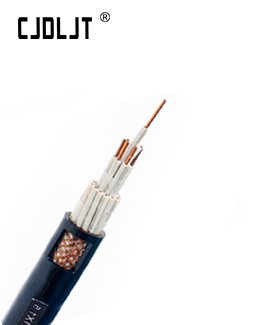
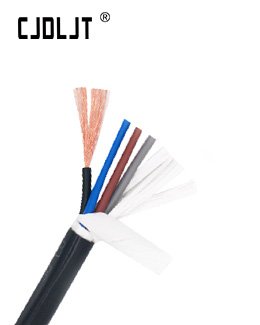
Core Selection for High-Temperature Metallurgy and Boiler Environments
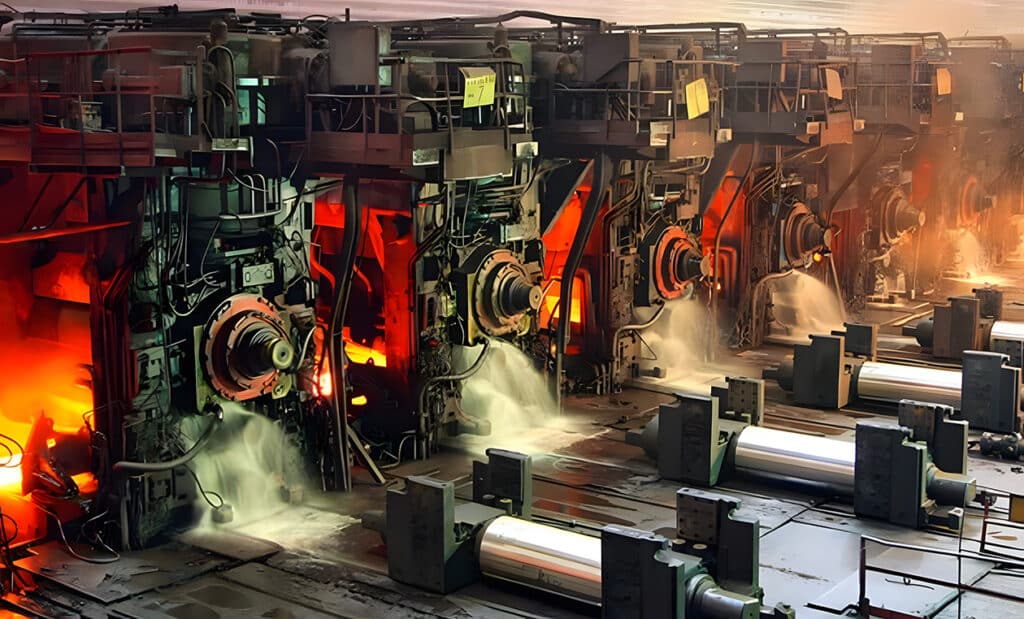
Silicone rubber-insulated, fiberglass-braided cables (such as H05SJ-K or GG2G) and Fluoroplastic-insulated cables (PTFE/PFA/FEP, such as YGC or KGG) are the definitive choices for high-temperature metallurgy and boiler room environments. These cables withstand continuous operating temperatures ranging from -60°C to +200°C (up to +260°C for PTFE), far exceeding the 70°C limit of standard PVC or the 90°C limit of cross-linked polyethylene (XLPE). Metallurgy and boiler applications subject cables to thermal radiation, mechanical stress, and corrosive gases. Utilizing nickel-plated or tinned annealed copper conductors prevents oxidation at elevated temperatures, ensuring structural integrity and stable electrical conductivity where standard cables fail.
Technical Parameter Matrix
The following data matrix compares the performance specifications of high-temperature cable insulation materials against standard industrial cables according to IEC 60502-1 and relevant thermal testing standards.
| Material Type | Common Designation | Continuous Operating Temp | Peak/Short-Circuit Temp | Tensile Strength / Abrasion Resistance | Chemical & Oil Resistance | Primary Application Scenario |
| PTFE / PFA (Fluoropolymer) | KGG, SFF | -60°C to +260°C | +350°C | Excellent (High mechanical durability) | Outstanding (Inert to acids/alkalis) | Boiler sensor lines, blast furnace proximity |
| Silicone Rubber | H05SJ-K, YGC | -50°C to +180°C | +250°C | Moderate (Requires fiberglass braid) | Good (Excellent ozone/UV resistance) | Overhead cranes, metallurgy foundry power |
| XLPE (Cross-linked PE) | YJV, NA2XFGBY | -15°C to +90°C | +250°C | High | Moderate | Standard industrial distribution (Non-thermal zones) |
| PVC (Polyvinyl Chloride) | VV, NYY | -15°C to +70°C | +160°C | Moderate | Poor at high temperatures | General control circuits (Ambient control rooms) |
Compliant Material Classifications & Safety Standards
Fluoropolymer (PTFE/PFA/FEP) Performance
Fluoropolymer insulations offer unparalleled molecular stability due to the strength of the carbon-fluorine bond. These cables are inherently Flame Retardant, meet IEC 60332-3 vertical flame spread test requirements, and exhibit zero aging characteristics under intense UV or ozone exposure typical of heavy heavy-industrial melting facilities.
Silicone Rubber with Fiberglass Overbraid
Silicone rubber provides exceptional flexibility, making it ideal for moving machinery (e.g., charging cars, furnace doors). However, because silicone has low tear resistance, it must be deployed with a heavy-duty fiberglass braid coated with silicone varnish. This configuration ensures the cable maintains insulation integrity even if the rubber layer undergoes sacrificial vulcanization during brief, accidental contact with extreme flame.
Low Smoke Zero Halogen (LSZH) Requirements
For enclosed boiler rooms and subterranean metallurgy tunnels, cables must conform to LSZH safety standards (IEC 60754-1/-2, IEC 61034). In the event of an external fire, the cables must emit minimal, non-corrosive smoke to protect automated control systems and ensure safe evacuation visibility.