

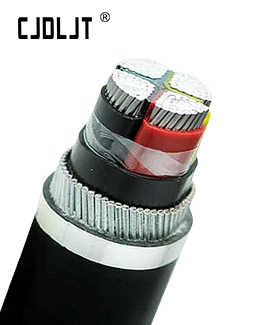
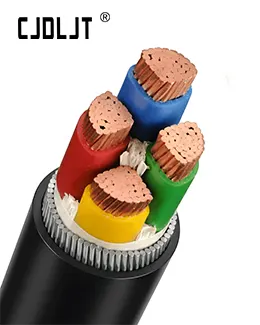
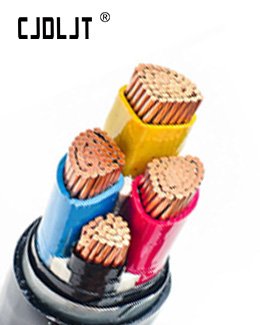
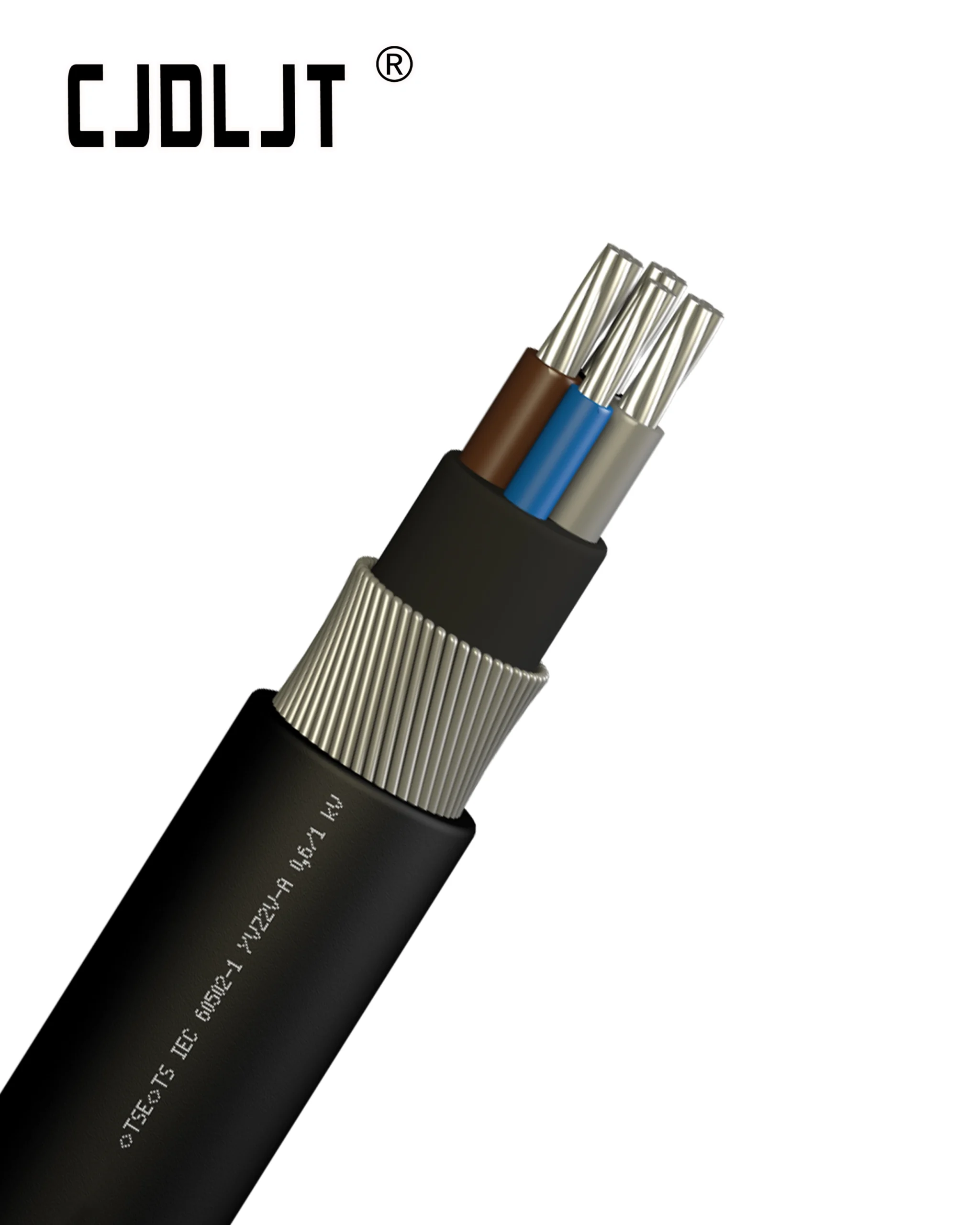


Special Structural Requirements of Elevator Travelling Cables
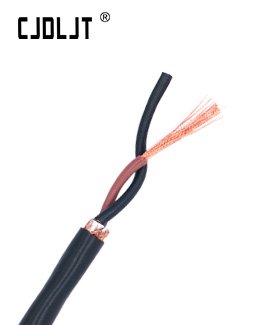
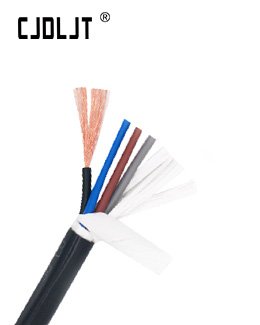
Elevator travelling cables must withstand continuous flexing, high tensile loads, and torsional stress while maintaining electrical integrity. Unlike fixed wiring, their construction requires a highly flexible annealed copper conductor (Class 5 or Class 6 per IEC 60228) to prevent fatigue breakage. The cores are laid up parallel or in highly optimized planetary strands to minimize internal friction.
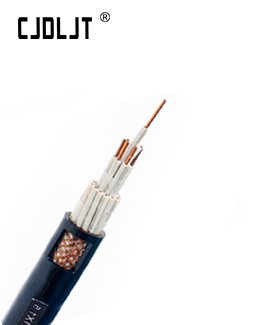
A crucial requirement is the integration of a tensile strength member—such as a central steel wire rope, aramid yarn (Kevlar), or a hemp core—to support the cable’s self-weight in high-rise shafts. The outer sheath must be a specialized Flame Retardant PVC or LSZH (Low Smoke Zero Halogen) compound optimized for high abrasion resistance, flexibility at low temperatures, and oil resistance.
Technical Parameter Matrix
The following data matrix outlines the core technical specifications for standard flat and round elevator travelling cables based on IEC 60227-6 and EN 50214 standards.
| Technical Parameter | Flat TVVB Cable (Low to Medium Rise) | Round TVC Cable (High-Rise / High-Speed) |
| Rated Voltage () | 300/500 V or 450/750 V | 450/750 V |
| Conductor Material | Plain Annealed Copper (Class 5/6) | Plain Annealed Copper (Class 6) |
| Insulation Material | Flexible PVC / TI2 Compound | Flexible PVC or Cross-linked PE (XLPE) |
| Sheath Material | Oil-Resistant, Flame Retardant PVC | Heavy-Duty Polyurethane (PUR) / PVC |
| Tensile Strength Member | Optional (Steel wire for suspension > 50m) | Mandatory (Central Steel Aircraft Cable/Aramid) |
| Operating Temperature | -15°C to +70°C | -25°C to +90°C |
| Maximum Free Suspension | Up to 80 meters | Up to 400+ meters |
| Maximum Travel Speed | ≤ 4.0 m/s | ≤ 10.0+ m/s |
High-Rise vs. Low-Rise Cable Architecture
Flat Configuration (Low-to-Medium Rise)
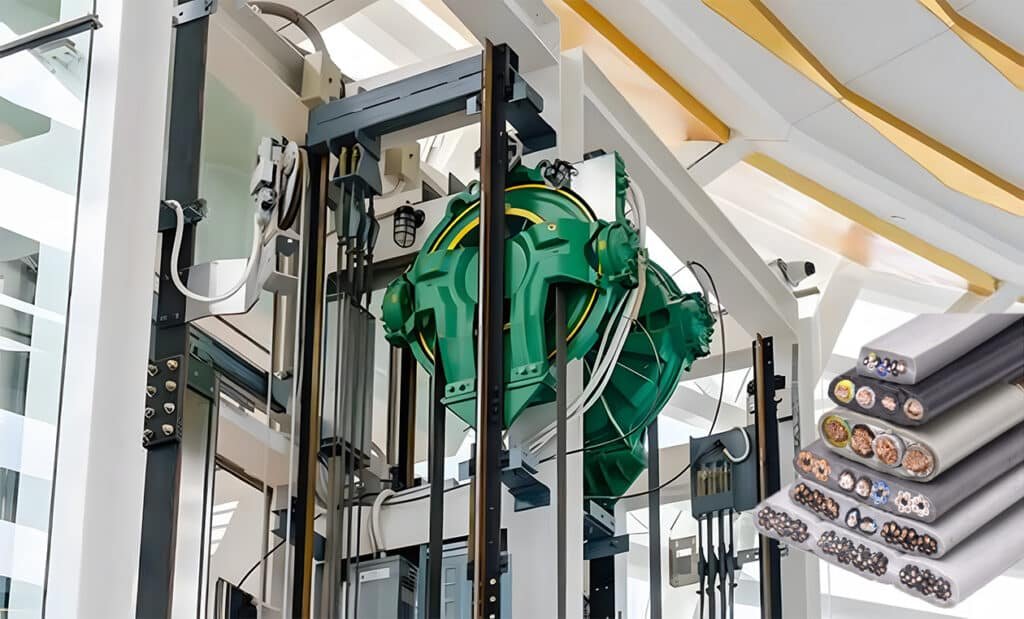
Flat elevator cables (TVVB) allow smaller loop diameters and are ideal for standard lift shafts where space is restricted. The parallel core layout ensures that the conductors bend along a single axis, significantly reducing mechanical stress during low-speed cycles (≤ 4.0 m/s).
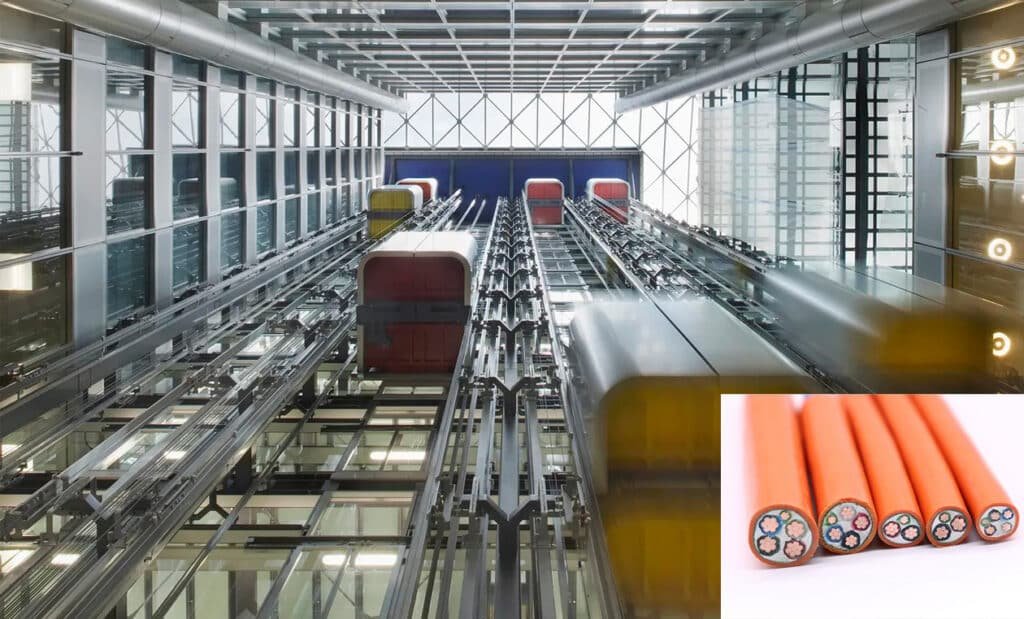
Round Configuration (High-Speed & Express Shafts)
Round travelling cables are engineered for deep-shaft, high-speed applications. They utilize a layered, counter-directional stranding technique around a central load-bearing core. This design neutralizes torsional forces, preventing the cable from swaying into structural shaft components when subjected to high-velocity aerodynamic turbulence.