



Cable Sheath Selection for Humid and Underwater Environments
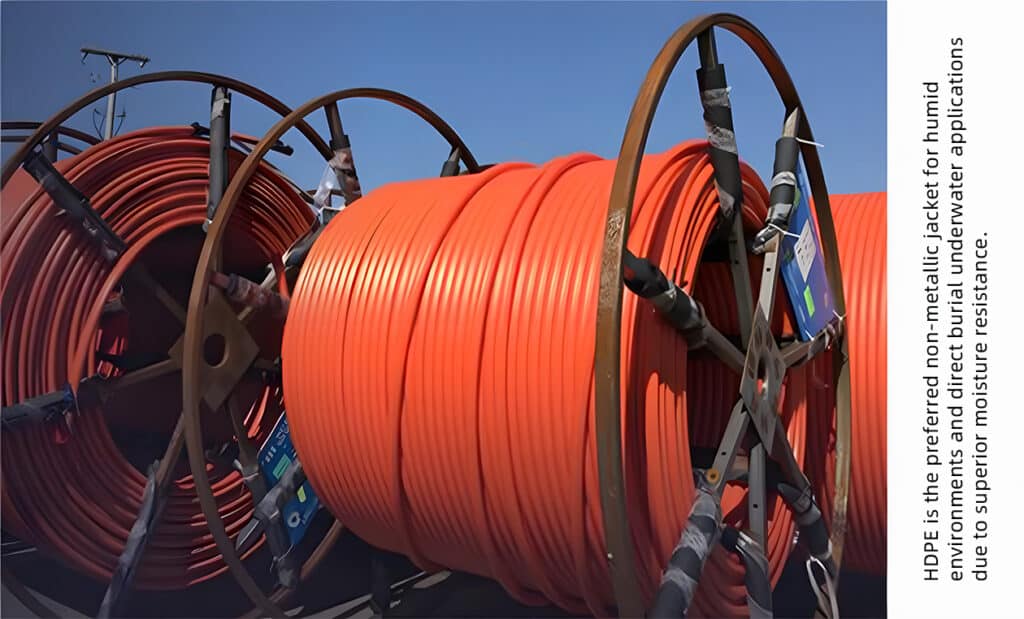
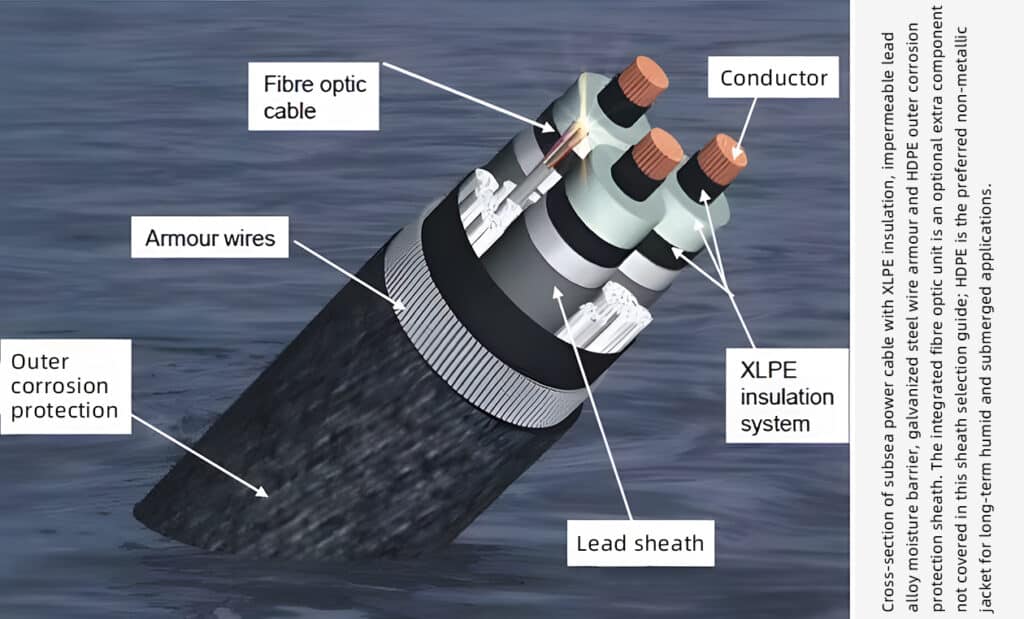
For humid and underwater environments, cable sheath selection must prioritize long-term hydrolytic stability, moisture barrier efficacy, and mechanical integrity. Polyethylene (PE), specifically High-Density Polyethylene (HDPE) and Linear Low-Density Polyethylene (LLDPE), serves as the industry standard for direct burial and subsea applications due to its exceptional water permeability resistance (< 0.1% water absorption per ASTM D570). While Polyvinyl Chloride (PVC) is suitable for controlled, high-humidity ambient air, it undergoes plasticizer migration and osmotic blistering under prolonged immersion. For heavy-duty subsea deployment, sheathing systems must integrate a metallic moisture barrier (e.g., corrugated copper, lead alloy, or laminated aluminum tape) compliant with IEC 60502-2 and IEC 60840 to prevent water treeing in the primary XLPE insulation.
Technical Parameter Matrix: Sheath Material Performance
The table below contrasts the mechanical, thermal, and moisture-resistance profiles of primary compounding materials utilized in high-humidity and submerged cable configurations.
| Technical Parameter | High-Density Polyethylene (HDPE) | Cross-Linked Polyethylene (XLPE) | Polyvinyl Chloride (PVC – ST2) | Polyurethane (TPU) | Lead Alloy (E-Alloy / Ye3) |
| Primary Function | Mechanical Outer Sheath | Insulation / Inner Sheath | General Purpose Sheath | Heavy-Duty Subsea Outer Jacket | Impervious Moisture Barrier |
| Water Absorption Rate (ASTM D570) | < 0.01% | < 0.03% | 0.5% – 2.0% | 0.3% – 1.2% | 0.00% (Impermeable) |
| Continuous Operating Temp. | -40℃ to +90℃ | -40℃ to +90℃ | -15℃ to +70℃ | -15℃ to +70℃ | N/A (Metallic) |
| Tensile Strength (Min.) | 20 MPa | 12.5 MPa | 12.5 MPa | 30 MPa | N/A |
| Water Treeing Susceptibility | Low | Moderate (Without TR additive) | High | Low | Zero |
| Environmental Stress Cracking (ESCR) | > 500 hours | N/A | N/A | Excellent | N/A |
| Primary Standard Compliance | IEC 60502-1, IEC 60708 | IEC 60502-2 | IEC 60502-1, BS 7655 | DIN VDE 0282-10 | IEC 60055, BS EN 12548 |
Mechanical Armor Options for Submerged Layouts
When cables are deployed underwater, the sheath material alone cannot absorb tensile installation or anchoring stresses. Mechanical armoring layers must complement the selected polymer:
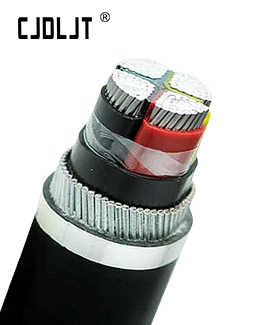
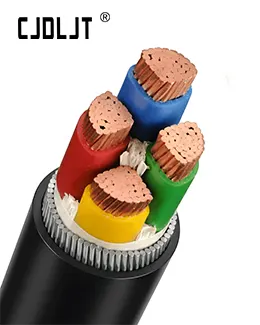
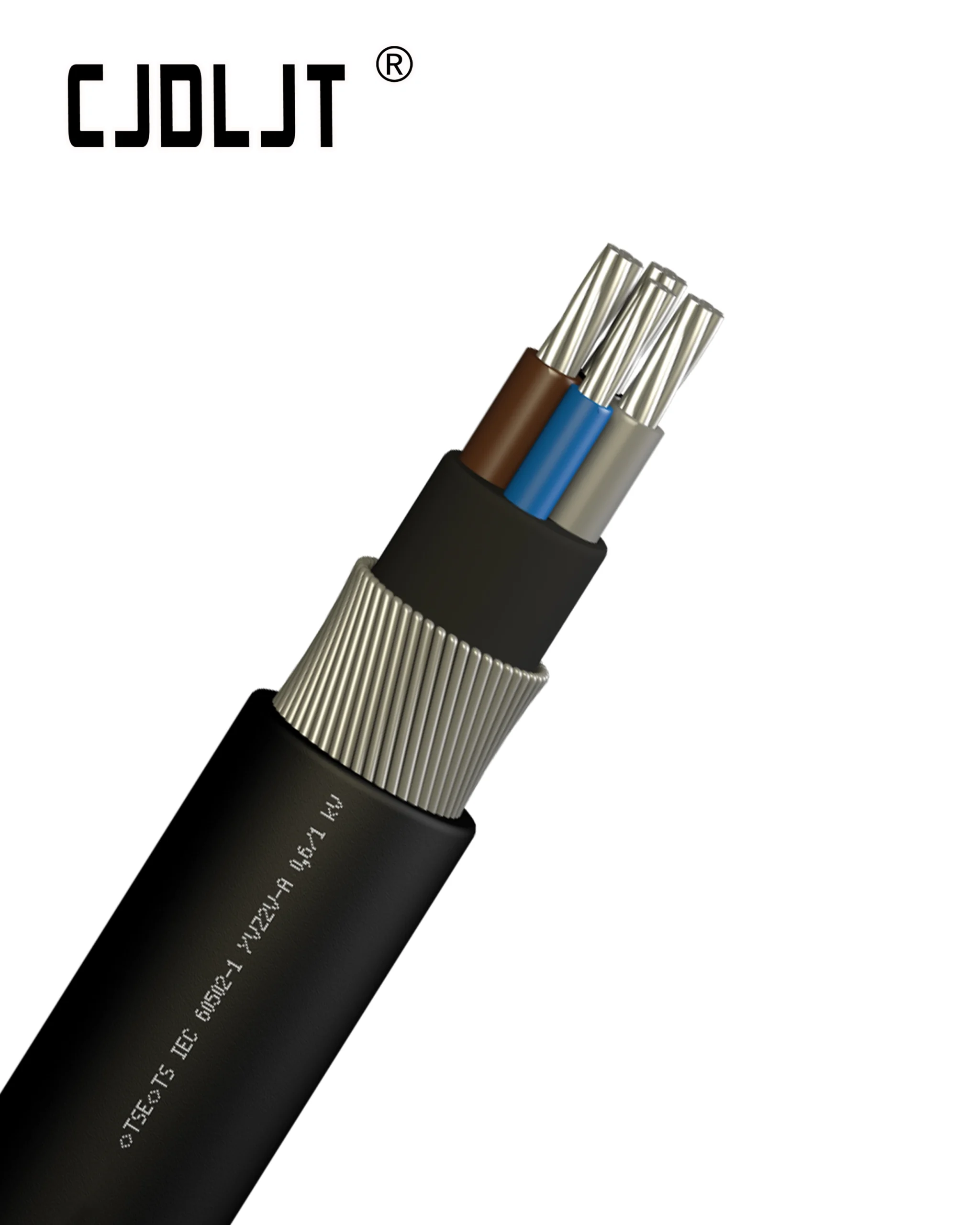
- Galvanized Steel Wire Armor (SWA): Compliant with BS 5467 and IEC 60502-2. Heavy-gauge zinc-coated steel wires provide high tensile strength necessary for deep vertical drops or high-current tidal zones.
- Copper Wire Screen / Shielding: Used in tandem with HDPE outer sheaths for medium-voltage grounding. It provides structural balance without adding excessive rigid mass.
Flame Retardancy vs. Moisture Resistance Trade-Offs
Designers must differentiate between indoor humid environments (tunnels, shafts) and direct submersion:
- Low Smoke Zero Halogen (LSZH / MDPE): LSZH compounds optimize safety in enclosed spaces via low toxicity emissions. However, due to high hydrophilic filler content (e.g., aluminum trihydrate), standard LSZH exhibits high water absorption rates and must not be used for continuous underwater submersion.
- Layered Co-Extrusions: For transition zones (e.g., offshore wind turbine J-tubes), specify a dual-rated layout featuring an inner impervious lead sheath or HDPE moisture barrier, coupled with an outer flame-retardant LSZH layer meeting IEC 60332-3 specifications for the topside segment.