

Performance of NA2XBY DSTA Cables Under Mechanical Stress
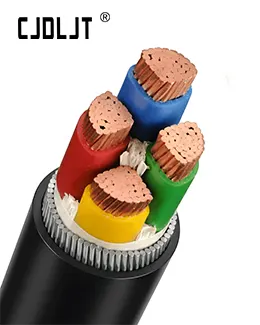
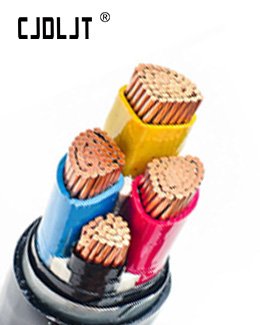
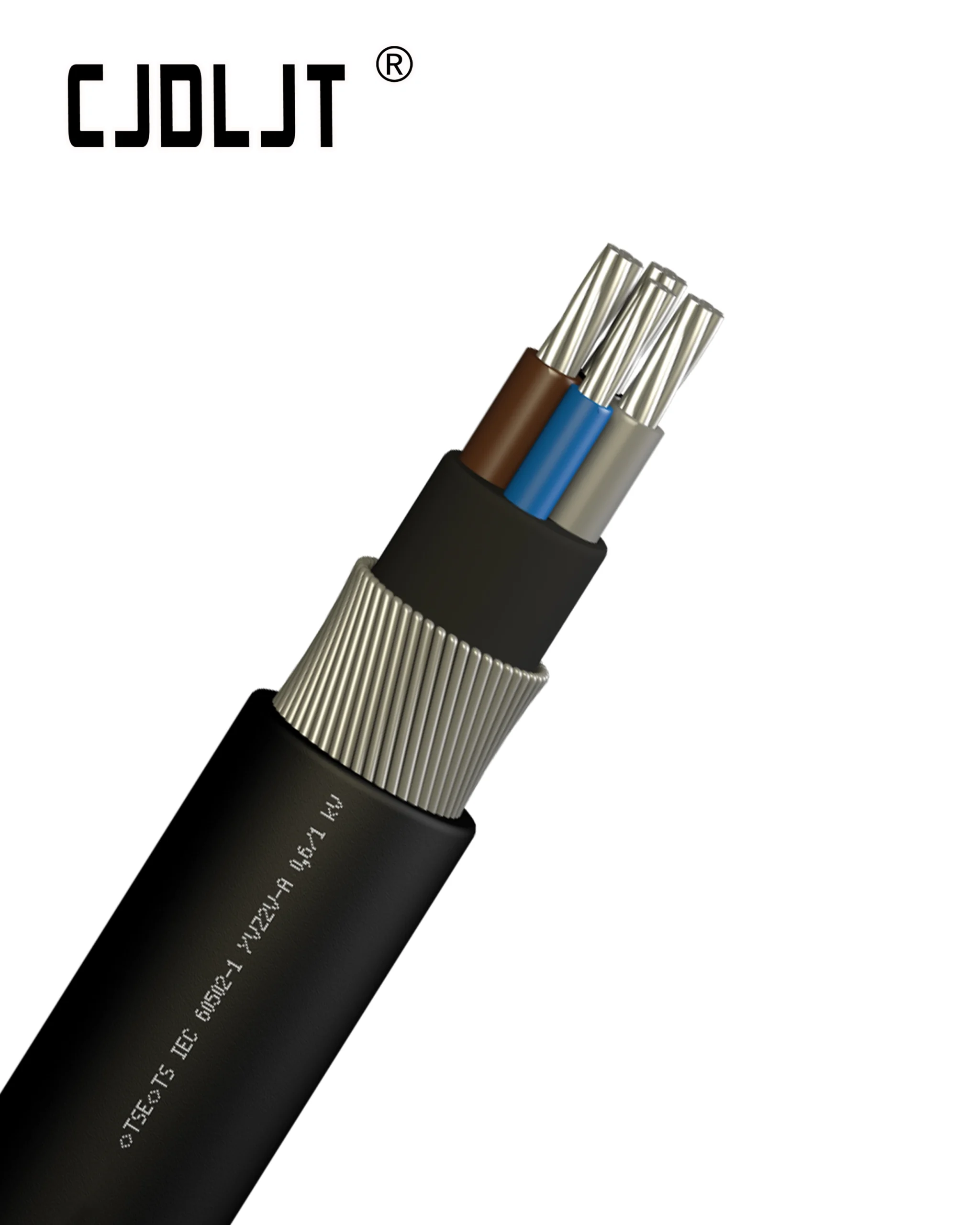
No, the NA2XBY DSTA (Double Steel Tape Armored) cable is designed to withstand low to moderate crushing loads and light impact, but it cannot withstand heavy mechanical damage or high tensile (pulling) forces. Built under IEC 60502-1, NA2XBY features class 2 stranded aluminum conductors, Cross-linked Polyethylene (XLPE) insulation, and double galvanized steel tape armor (DSTA). While DSTA provides excellent radial coverage against crushing in direct burial or duct applications, its lack of longitudinal tensile strength makes it susceptible to failure under heavy shearing, ground movement, or high-impact outdoor forces. For heavy mechanical environments, Steel Wire Armored (SWA) cables (such as NA2XRY) must be used instead.
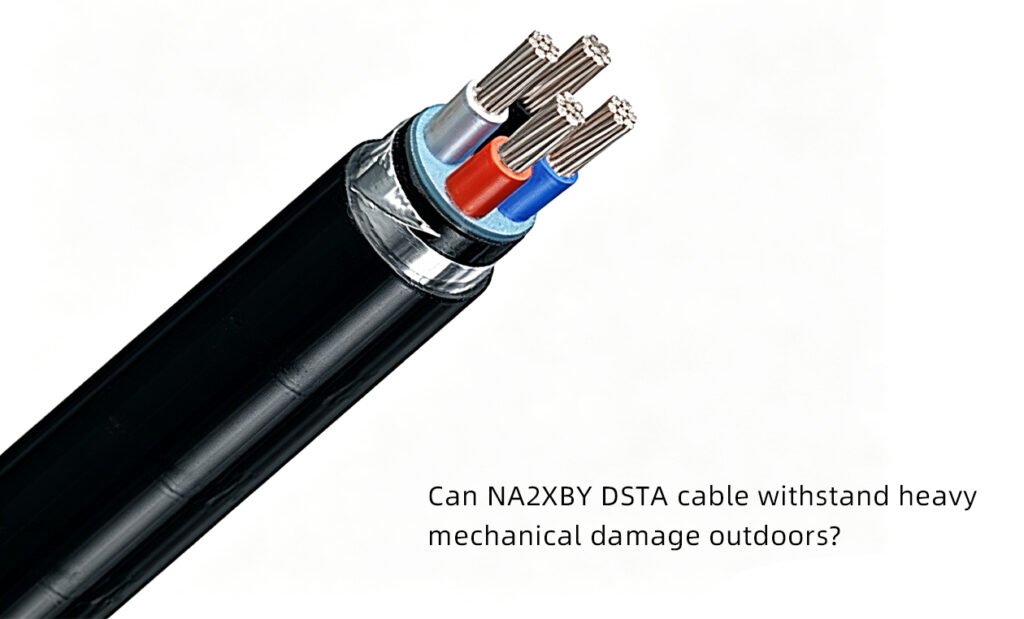
Structured Mechanical and Technical Parameter Matrix
The following table compares the mechanical resilience and application envelopes of low-voltage aluminum power cables under different armoring systems.
| Cable Type | NA2XBY (DSTA) | NA2XRY (SWA) | NA2XY (Unarmored) |
| Applicable Standard | IEC 60502-1, VDE 0276-603 | IEC 60502-1 | IEC 60502-1 |
| Armoring Material | Double Galvanized Steel Tape (DSTA) | Galvanized Steel Wire Armor (SWA) | None |
| Crushing Resistance (Radial) | Moderate to High | High | Very Low |
| Tensile Strength (Axial) | Low (Tape shifts under pulling) | High (Wires lock longitudinally) | Extremely Low |
| Minimum Bending Radius | 12 × D (Operating), 15 × D (Installing) | 12 × D (Operating), 15 × D (Installing) | 15 × D (Installing) |
| Primary Outdoor Application | Fixed direct burial in soil with low/moderate mechanical risk | Open-air trays, underground tunnels with high shifting/tension risks | Rigid conduit or cable ducts with no mechanical exposure |
Deep-Dive: DSTA vs. SWA Protection Levels
Double Steel Tape Armor (DSTA) Mechanics
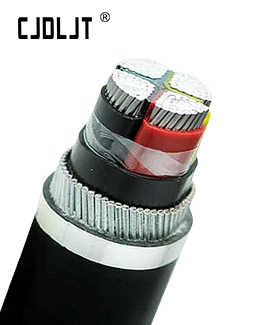
DSTA consists of two helical steel tapes wrapped around the inner PVC bedding. The tapes are wound with an overlap to cover gaps. This design provides near-100% radial coverage, shielding the inner XLPE-insulated conductors from sharp stones, spade impacts, and rodent attacks. However, because the tapes are not mechanically interlocked along the longitudinal axis, they separate easily when pulled, offering virtually zero protection against tensile elongation.
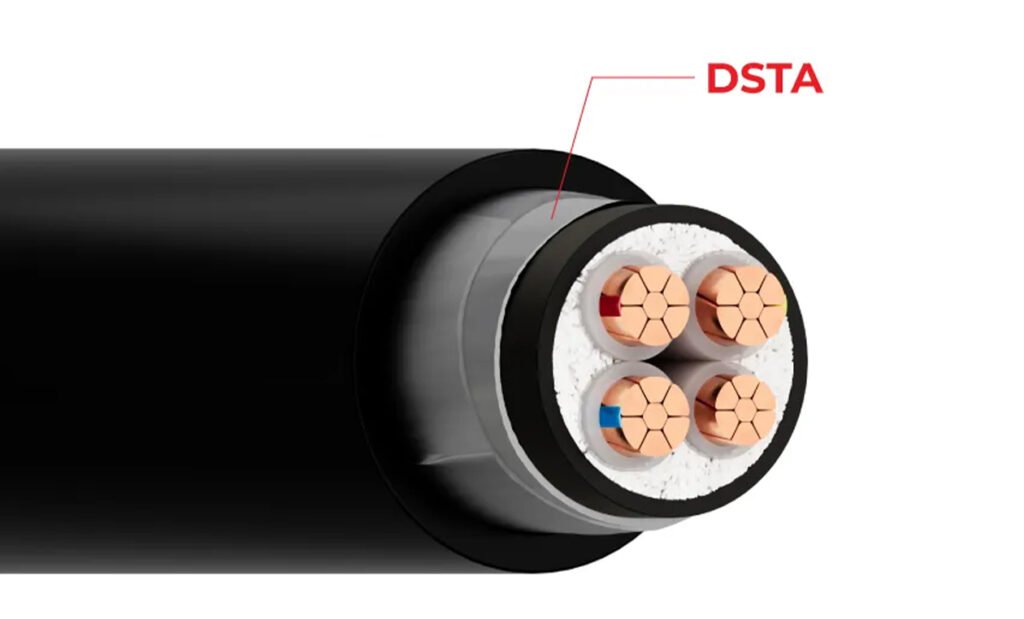
Steel Wire Armor (SWA) Mechanics
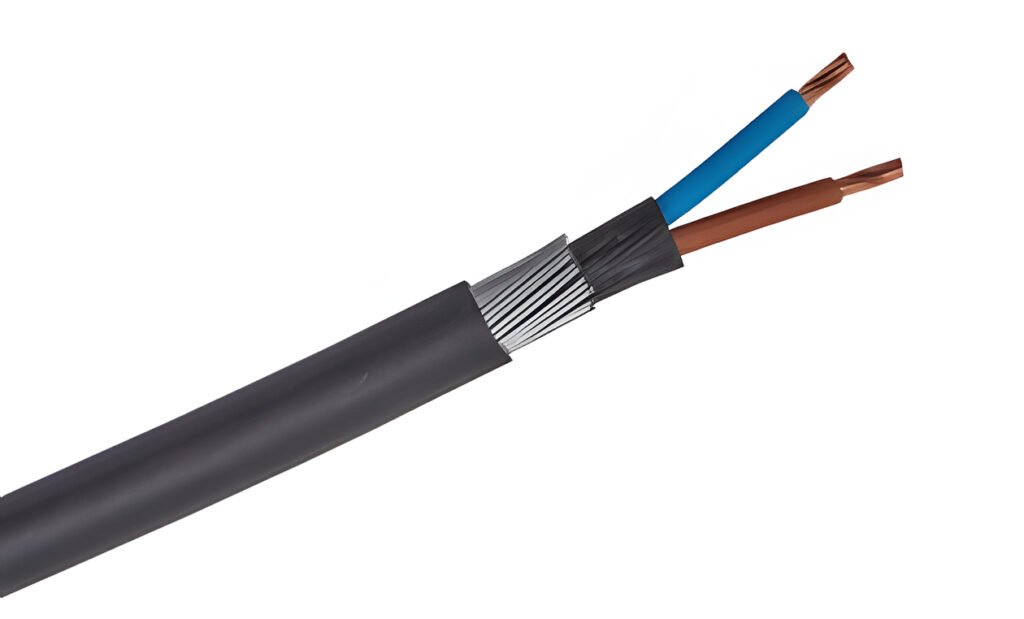
SWA utilizes a single layer of heavy, round galvanized steel wires wound spirally around the cable. The circular wires behave like a structural spring, redistributing longitudinal tension along the length of the cable. This makes SWA the only acceptable low-voltage armoring system for heavy industrial plants, open cable trays exposed to heavy winds, and dynamic underground installations.