



Understanding the Key Differences Between N2XY and NA2XY Power Cables
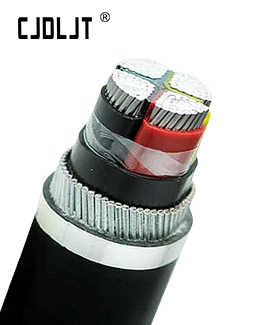
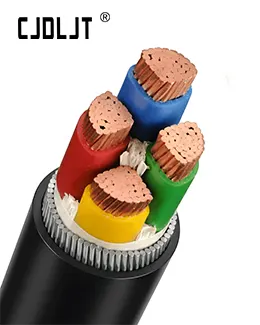
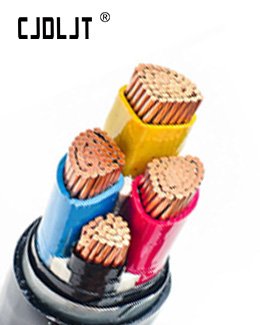
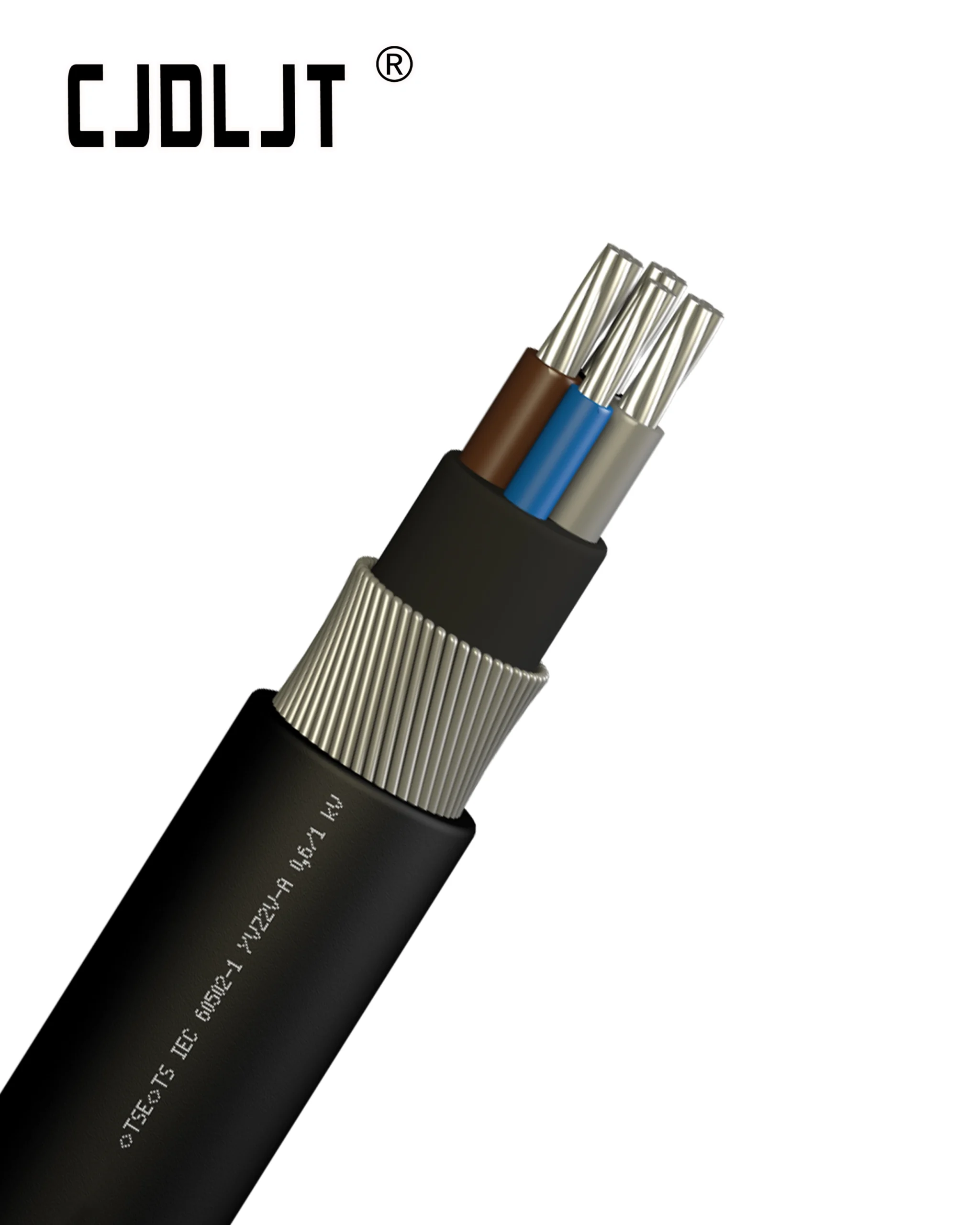
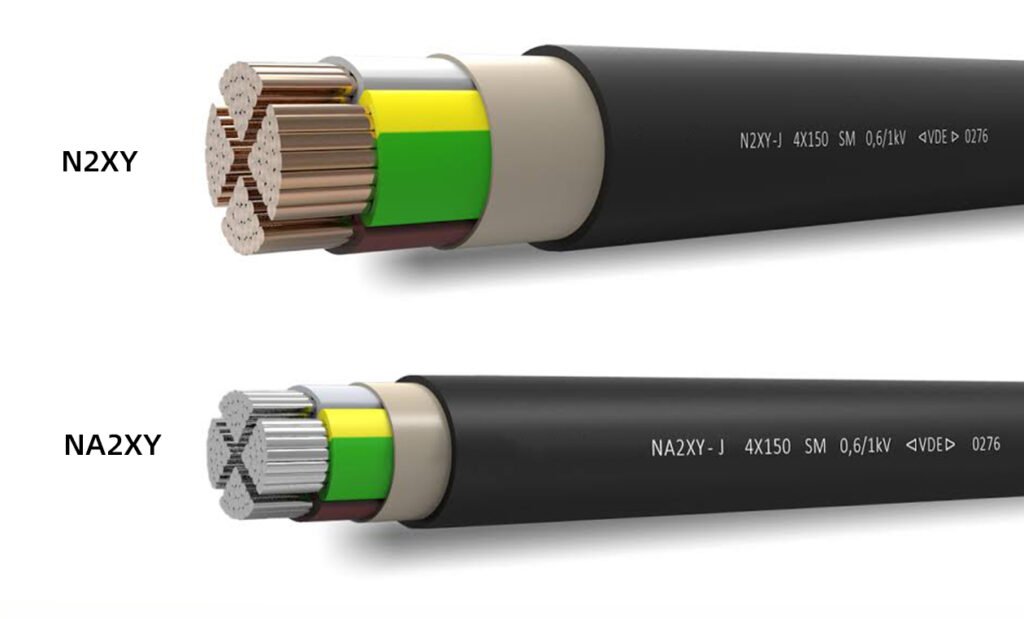
The core difference between N2XY and NA2XY power cables lies entirely in the conductor material: N2XY utilizes plain annealed copper conductors, whereas NA2XY utilizes solid or stranded aluminum conductors. According to the VDE standard designation system, the letter “A” immediately following the “N” signifies an aluminum conductor. If the “A” is absent, the conductor is default copper. Both cable types share identical insulation and sheathing materials, featuring Cross-linked Polyethylene (XLPE) insulation and a Polyvinyl Chloride (PVC) outer sheath, making them suitable for fixed installations in low-voltage power distribution systems rated at 0.6/1 kV.
Technical Parameter Comparison Matrix
The table below outlines the structural and performance discrepancies between N2XY and NA2XY cables based on IEC 60502-1 and VDE 0276-603 standards.
| Technical Parameter | N2XY Cable | NA2XY Cable |
| Conductor Material | Plain Annealed Copper (Class 1 solid or Class 2 stranded) | Aluminum (Class 1 solid or Class 2 stranded/sector-shaped) |
| Insulation Material | XLPE (Cross-linked Polyethylene) | XLPE (Cross-linked Polyethylene) |
| Sheath Material | PVC (Polyvinyl Chloride), Flame Retardant | PVC (Polyvinyl Chloride), Flame Retardant |
| Rated Voltage (U₀/U) | 0.6/1 kV | 0.6/1 kV |
| Max. Conductor Operating Temp. | 90°C | 90°C |
| Max. Short-Circuit Temp. (≤ 5s) | 250°C | 250°C |
| Electrical Conductivity (IACS) | ~100% | ~61% |
| Weight-to-Current Ratio | Higher (Heavier per ampere capacity) | Lower (Lighter, ideal for long spans) |
| Minimum Bending Radius | Single core: 15x OD | Multi-core: 12x OD | Single core: 15x OD | Multi-core: 12x OD |
| Applicable Standards | IEC 60502-1, VDE 0276-603, HD 603 | IEC 60502-1, VDE 0276-603, HD 603 |
Core Application Scenarios and Compliance
N2XY Cable Applications
- Industrial Facilities & Infrastructure: Preferred in commercial buildings, power stations, and industrial plants where space is limited and high current density is required within compact cable trays.
- Direct Burial & Conduits: Suitable for indoor and outdoor installations, in ground, or in cable ducts where mechanical damage is not expected (unarmored design).
NA2XY Cable Applications
- Utility Distribution Networks: Widely deployed by electrical utilities for urban mains grids and regional low-voltage distribution lines due to the cost-efficiency of aluminum over long distances.
- Large-Scale Renewable Projects: Frequently used in solar farms and wind power installations where long cable runs make the material cost savings of aluminum highly advantageous.